Level 2 EV charger installation: assessment to handover
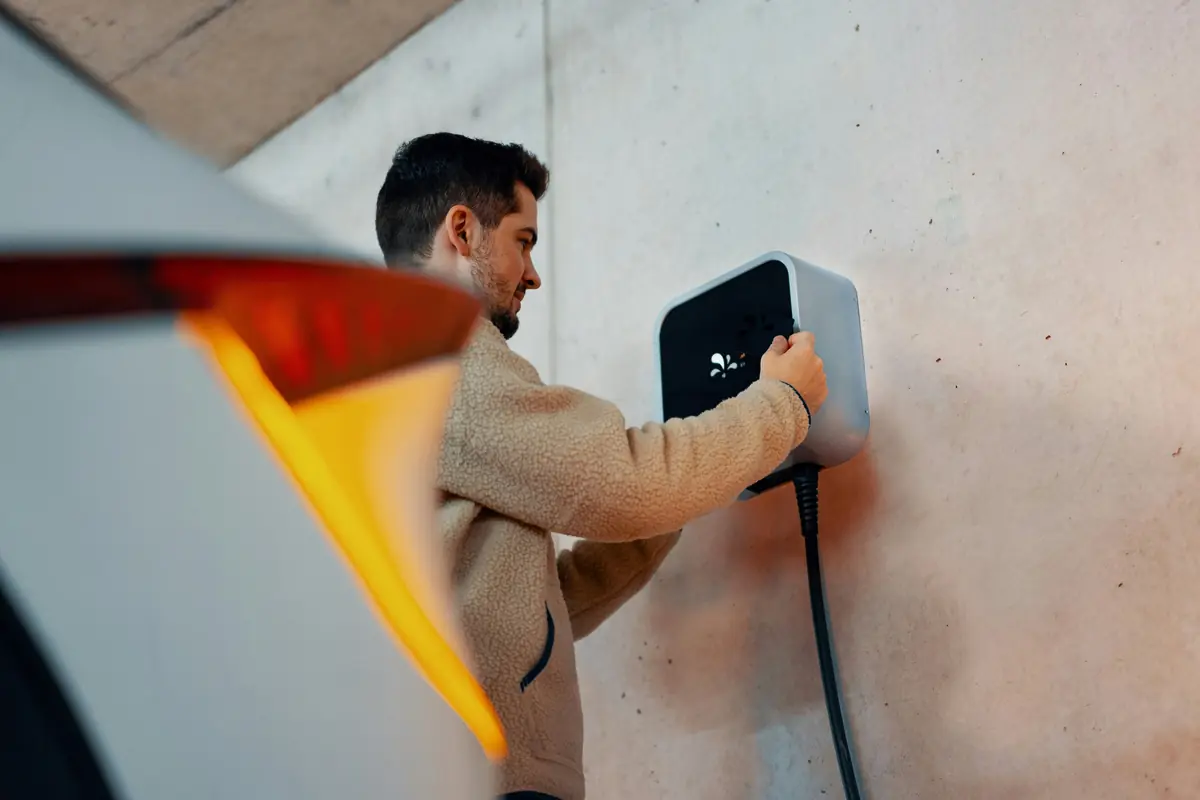
Level 2 is AC charging using a higher-voltage supply than a typical household outlet. U.S. home installations commonly use 240 volts; some commercial supplies use 208 volts. Equipment, vehicle limits and the assessed circuit determine charging power.
Want this done at your property? Get an installer, or ask a question.
Level 2 is AC charging using a higher-voltage supply than a typical household outlet. U.S. home installations commonly use 240 volts; some commercial supplies use 208 volts. Equipment, vehicle limits and the assessed circuit determine charging power.1
The installation process
- Define the result. Vehicle, parking location, daily energy, usable charging window and any second vehicle.
- Assess the property. Capacity, route, proposed equipment, mounting and any utility/service work.
- Agree the scope. Equipment supply, electrical work, permissions, permits, inspection and handover.
- Complete approvals. Confirm local requirements and any funding preapproval before the affected work begins.
- Install and inspect. The contractor carries out the agreed work and arranges the required checks.
- Commission and hand over. Set the product correctly, test charging and transfer owner accounts/manuals.
Get a Level 2 charger installed
Match power to the use
Start with charging needs and the vehicle's AC limit, not the charger's largest advertised number. In an illustrative case, 20 kWh added during ten hours needs an average 2 kW at the battery, before losses and other limits. That calculation starts a discussion; it does not choose a circuit. Use the AC calculator.
What changes the job
- Service capacity versus available breaker space.
- Distance and access from supply to parking.
- Detached parking, trenching, finished walls or restoration.
- Product compatibility, outside exposure and connection method.
- Local permits, inspection and utility coordination.
Ask about capacity options before assuming an upgrade, and compare hardwired and plug-in arrangements for the actual product.
What the scope should include
Specify model, output setting, route assumptions, approvals, installation, commissioning and warranty. ChargePoint's installation FAQ illustrates that connection method and supported current settings are product-specific.3 Check the selected equipment's own instructions.
Published home figures belong in the cost guide; the quote comparison checks your job's inclusions. Commercial work also needs an operating and utility plan.
What you can prepare
Record vehicle, actual utility, property permission, parking and timing. Useful photos show closed equipment and the route; they do not replace capacity assessment. Do not open electrical enclosures. Prepare a brief or get an installer.
Sources and check dates
- Charging Electric Vehicles at Home, U.S. Department of Energy, Alternative Fuels Data Center. Read 2026-10-13.
- ChargePoint Home Flex Installation FAQ, ChargePoint. Read 2026-10-13.
Related guides
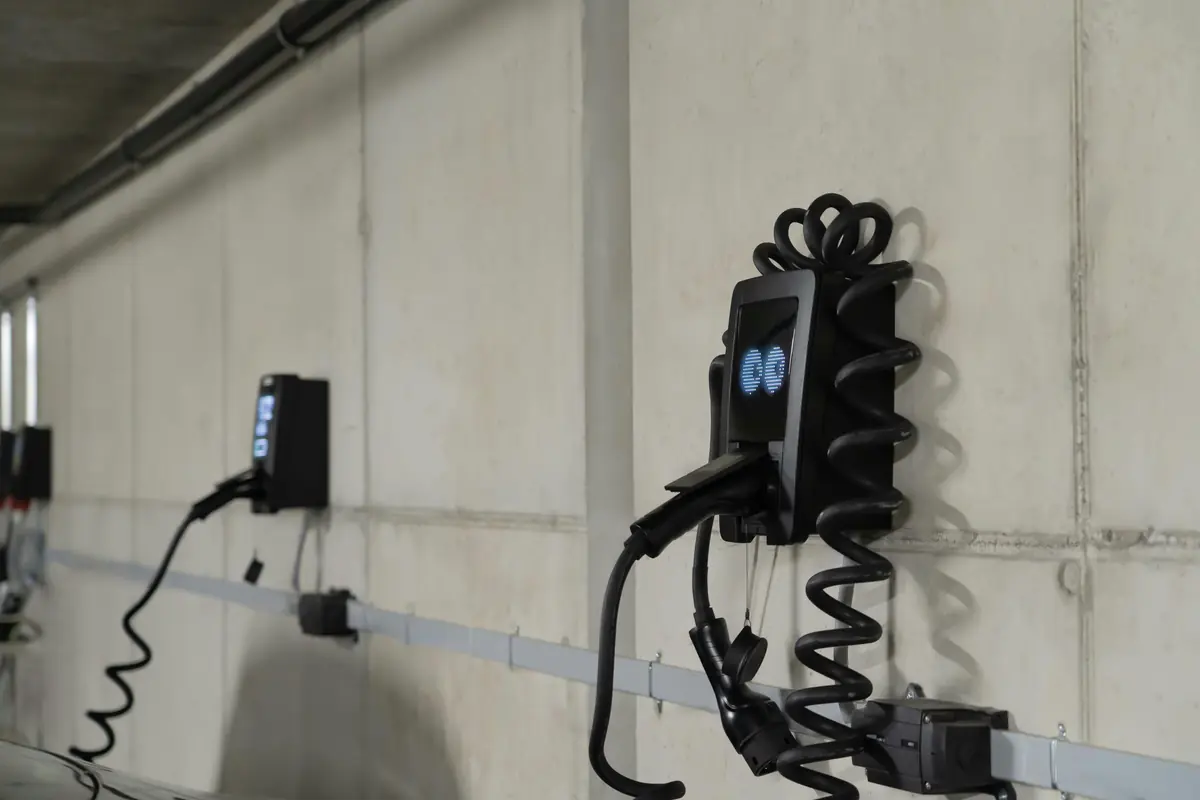
EV charger installation checklist: what to prepare
Prepare vehicle details, parking, actual utility, property permission and the charging result you need. Useful photos show closed equipment and the route. You can ask for an installer before you have every detail.
Read it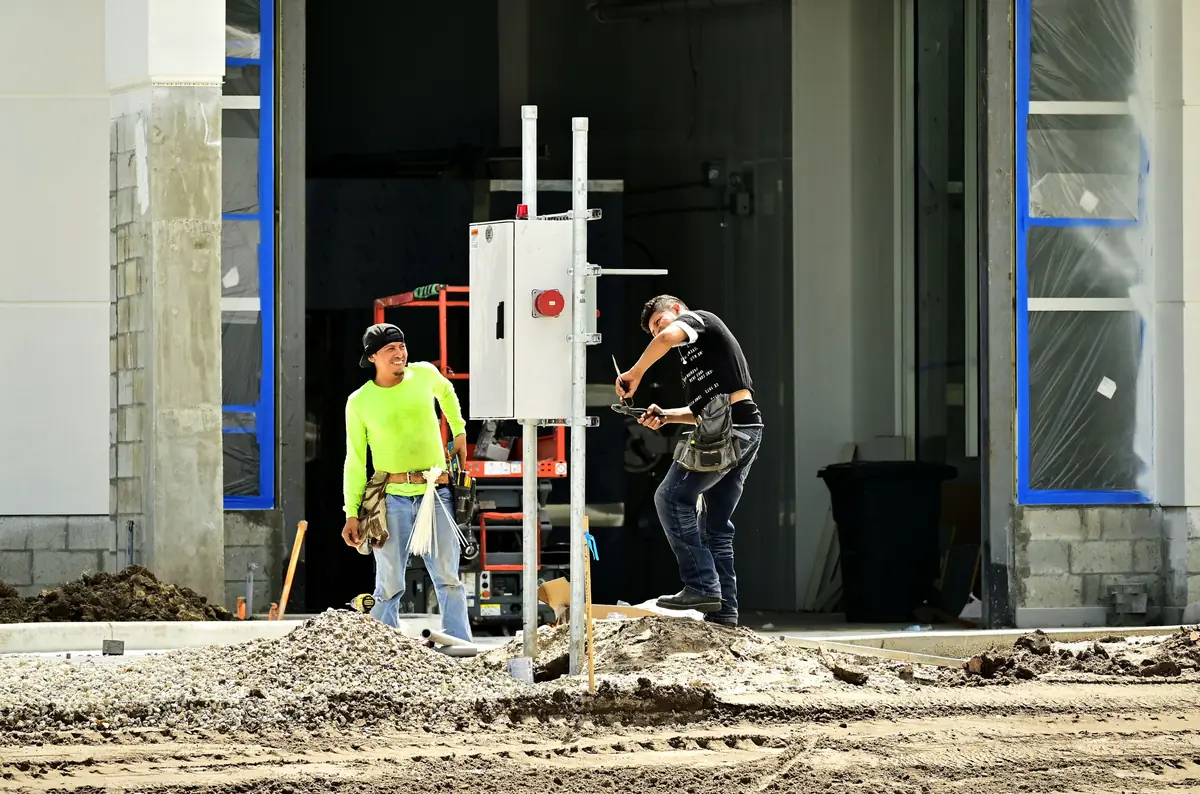
EV charger installation timeline: what sets the schedule
The work appointment is one part of the schedule. Assessment, property permission, funding conditions, equipment, permits and utility work can determine when it happens. Ask for the project-specific sequence and the owner of each dependency.
Read it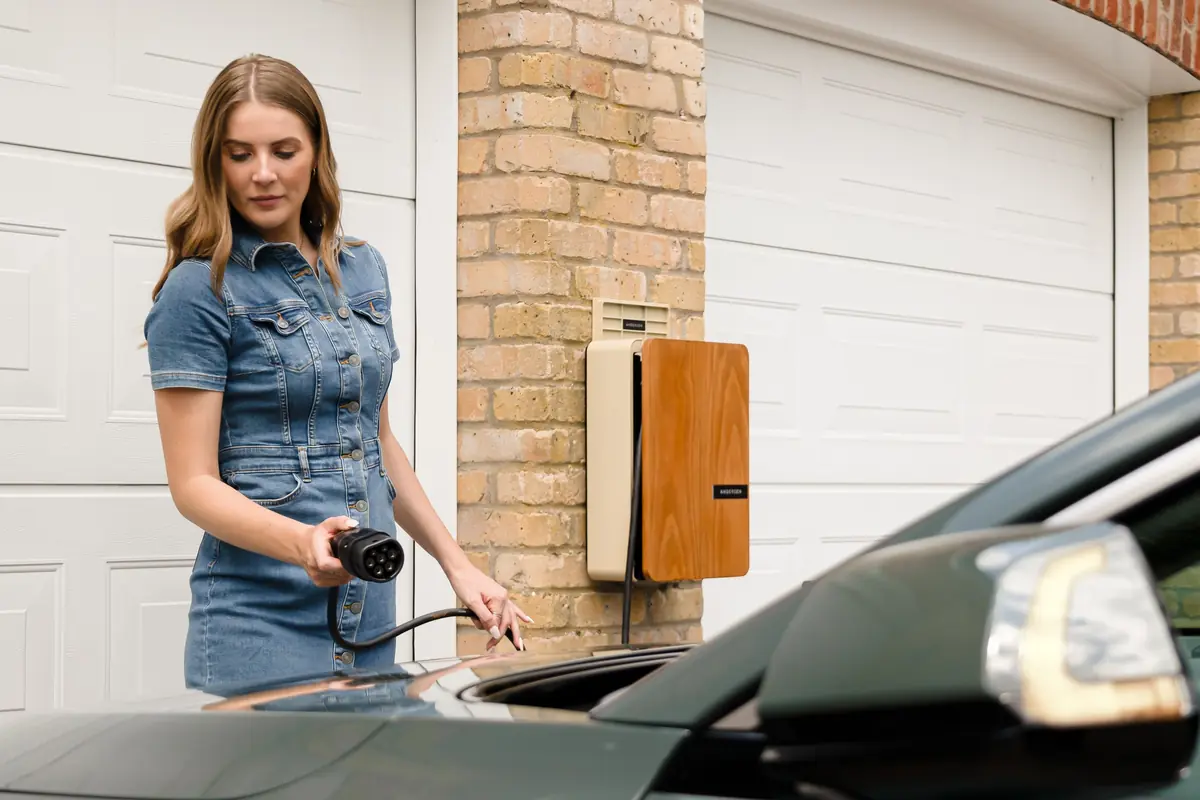
How to choose a home EV charger before you buy
Choose equipment that fits your exact vehicle and replaces usual driving during the time you park. Check the electrical installation before ordering a high-power unit. Connector compatibility, the vehicle’s AC limit and property capacity are separate decisions.
Read itWant a charger installed at your property?
Send your property type and ZIP code, and a licensed installer for your area gets in touch.