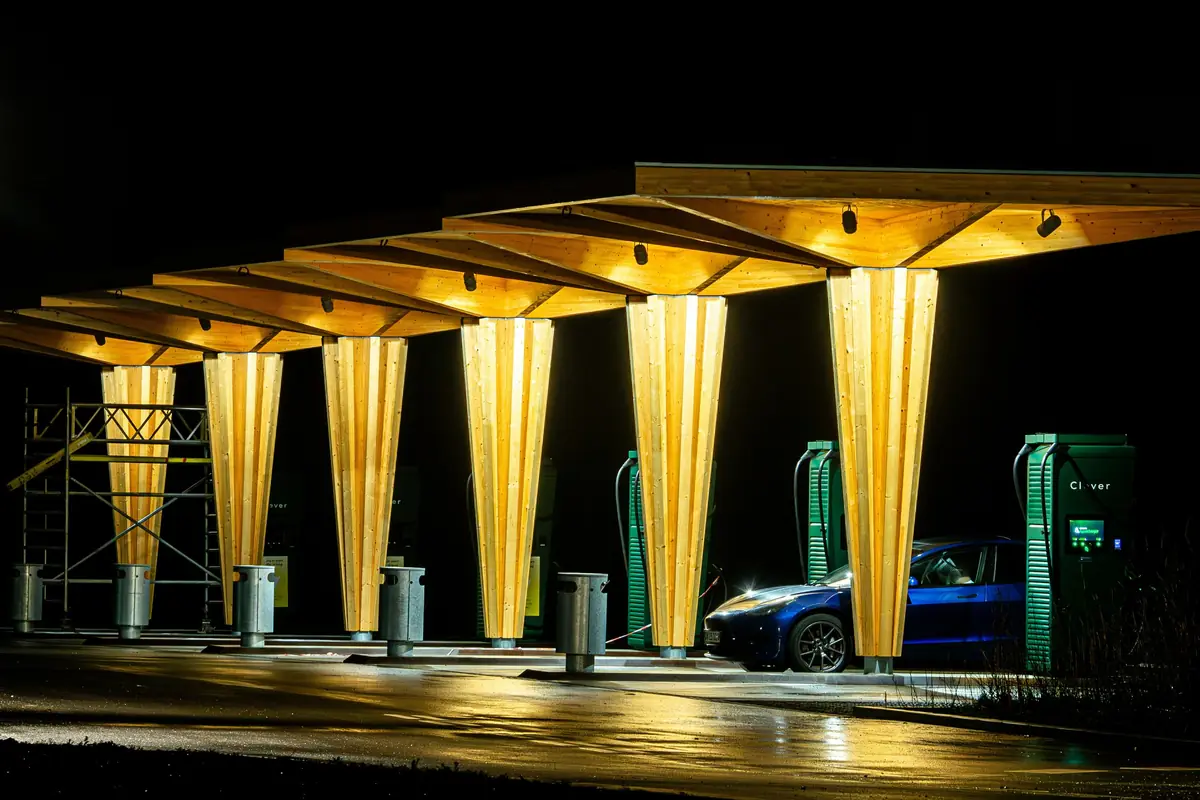
How to choose a home EV charger before you buy
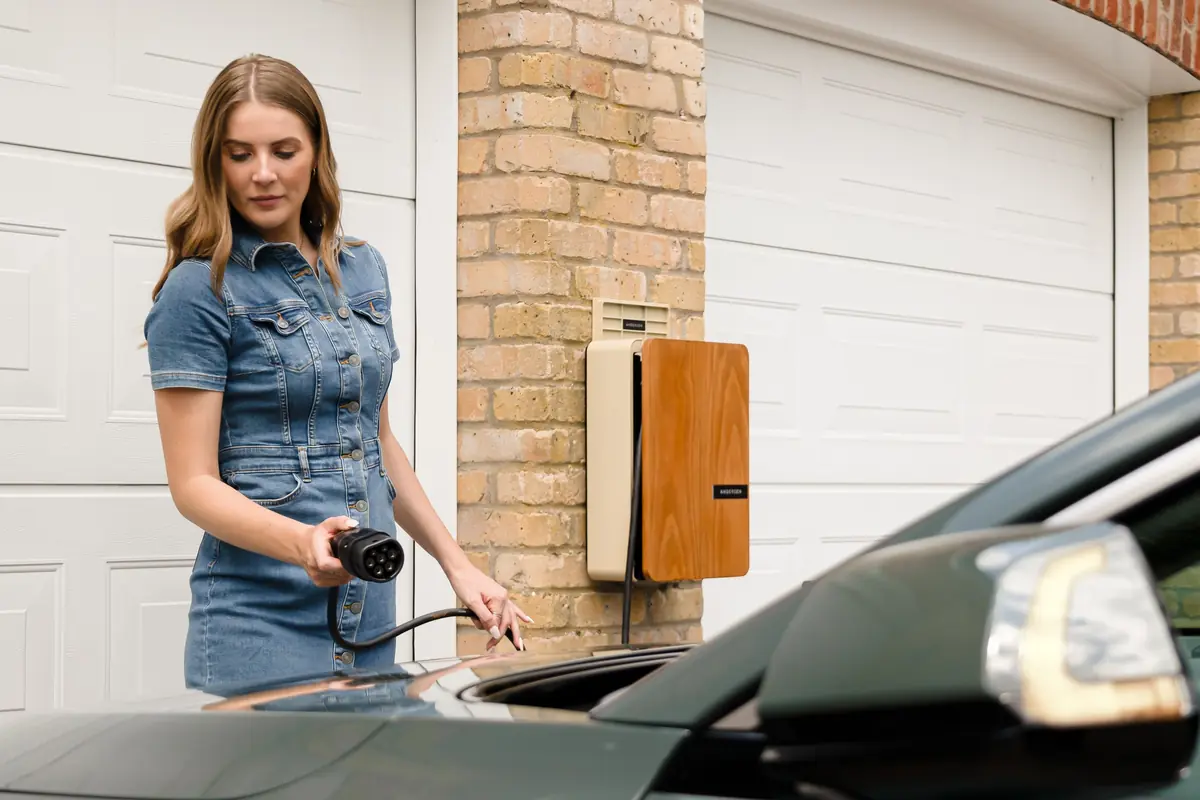
Choose equipment that fits your exact vehicle and replaces usual driving during the time you park. Check the electrical installation before ordering a high-power unit. Connector compatibility, the vehicle’s AC limit and property capacity are separate decisions.
Want this done at your property? Get an installer, or ask a question.
A charger can advertise more power than your car can accept, or more than your property can supply. Start with your exact vehicle, where you park, the energy you need to replace and your available charging time. EPA separates equipment selection from the assessment of a home's electrical needs.1
Five answers before ordering
- Vehicle compatibility. Record make, model, model year and battery version. Confirm AC charging compatibility in the manual. An adapter sold for DC charging is not automatically usable at home. See connector types and adapters.
- Daily energy and parking time. Consider usual and demanding days, rather than assuming you refill the whole battery nightly. Compare them in the AC charging calculator.
- Electrical capacity. Ask the installer what the service can support, including an appropriate lower-current or load-managed option.
- Mounting and reach. Check the actual cable length against the charge-port position and parking arrangement.
- Users. Consider a second vehicle, shared parking and who will own the app account.
Get a home charger installed Ask a charger-choice question
Buy features for a specific job
| Feature | Question to answer |
|---|---|
| Plug-in or hardwired | Do you need portability or a fixed installation? Check product and circuit conditions in our comparison. |
| Connected app | Will you use scheduling or energy reports? Can the vehicle already schedule charging? What works without Wi-Fi? |
| Outside installation | Is the specific unit and any receptacle arrangement suitable for the exposure and location? |
| Load management | Which compatible controls are needed, who commissions them and what limit is enforced? |
| Warranty | Does this use qualify, and who handles hardware faults versus installation work? |
ENERGY STAR's guidance identifies connected capabilities and certified equipment.2 Certification does not replace compatibility checking or an electrical assessment.
A planning example
If your car needs 18 kWh added after a usual day and parks for nine hours, 18 ÷ 9 = 2 kW is the average battery-side power needed. Wall power must also cover losses; vehicle limits and a demanding day can change the result. These are illustrative inputs, not a circuit recommendation. Ask what installation meets your actual need.
Assessment, then purchase
Give the installer your shortlisted equipment and parking plan before buying. Confirm equipment supply, circuit setting, permits, mounting, connectivity and handover in the scope. If pursuing a rebate, check approved equipment and purchase/application order in the program directory first.
Prepare a home-charging brief or get an installer with the choices you have made.
Sources and check dates
- Getting Started with Home EV Charging, U.S. EPA. Read 2026-10-13.
- Electric Vehicle Chargers: Buying Guidance, ENERGY STAR, U.S. EPA. Read 2026-10-13.
Related guides
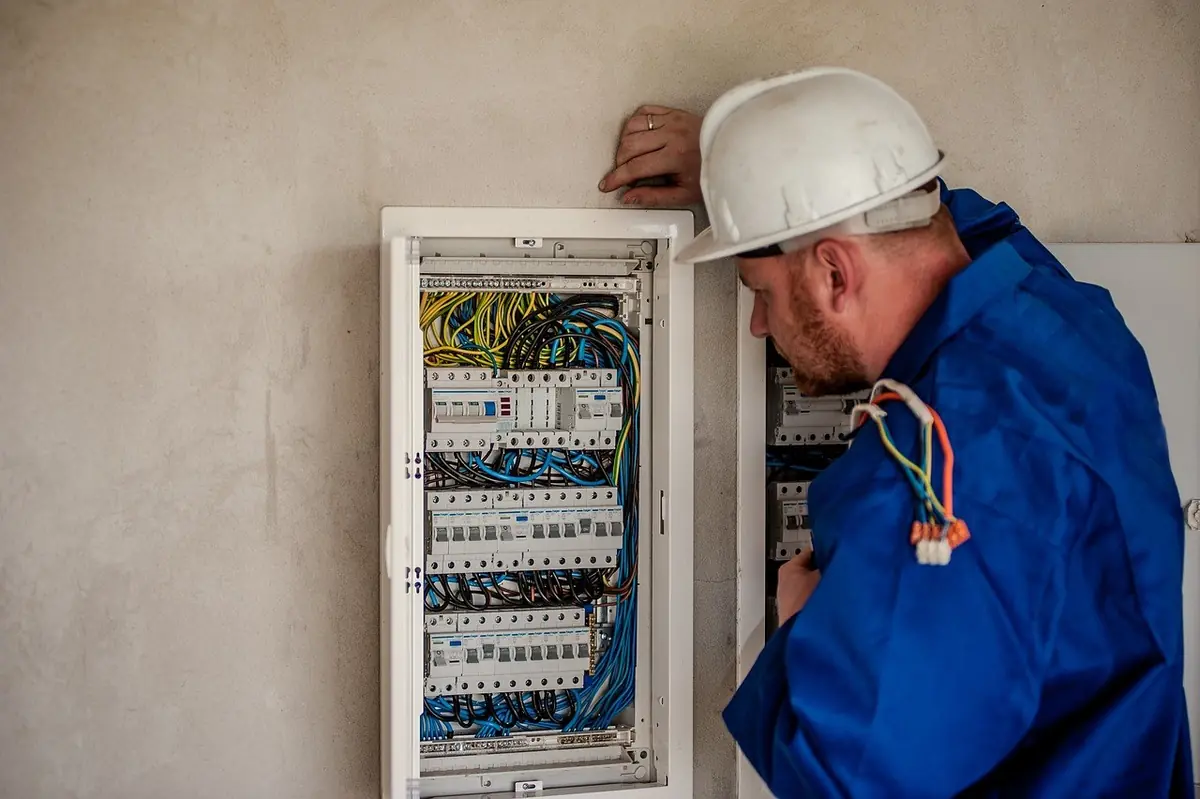
Does EV charging need a panel or service upgrade?
A panel or service upgrade is not automatic. An electrician must assess the existing loads, proposed charging and applicable rules. An empty breaker space is not proof of spare electrical capacity; a full panel is not proof that the utility service must increase.
Read it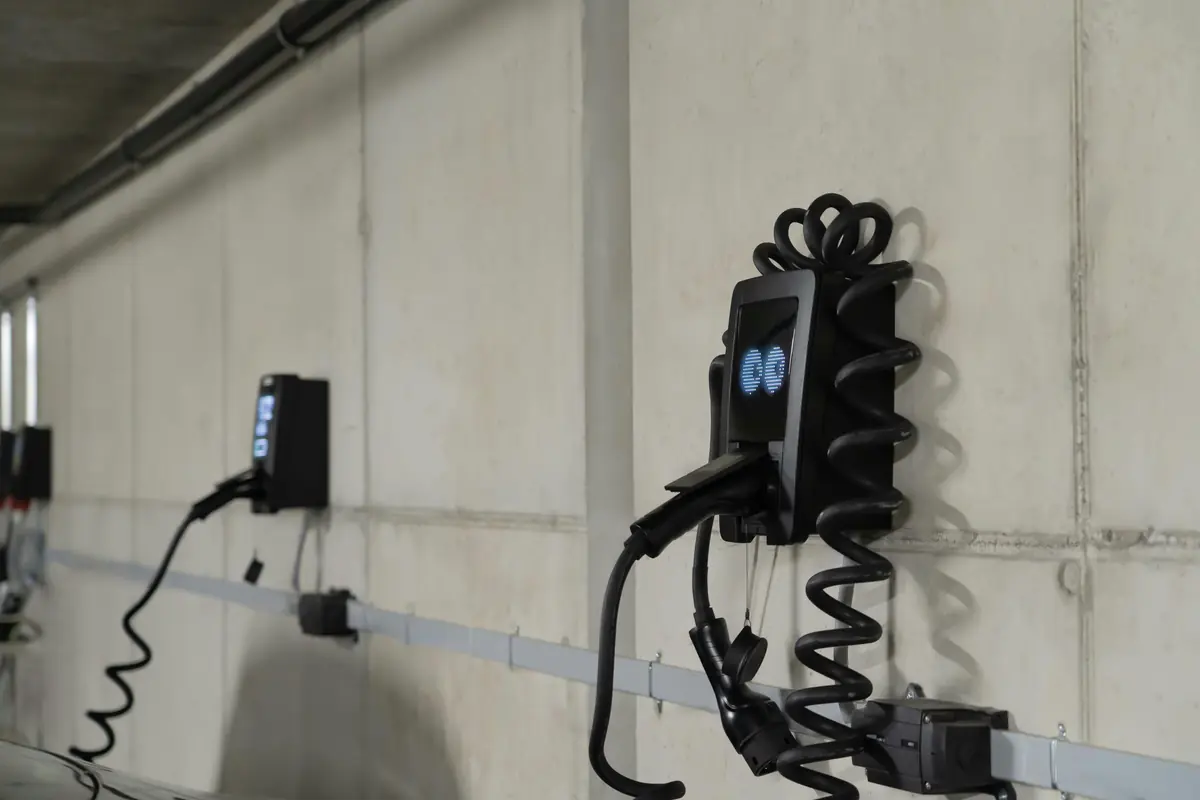
EV charger installation checklist: what to prepare
Prepare vehicle details, parking, actual utility, property permission and the charging result you need. Useful photos show closed equipment and the route. You can ask for an installer before you have every detail.
Read it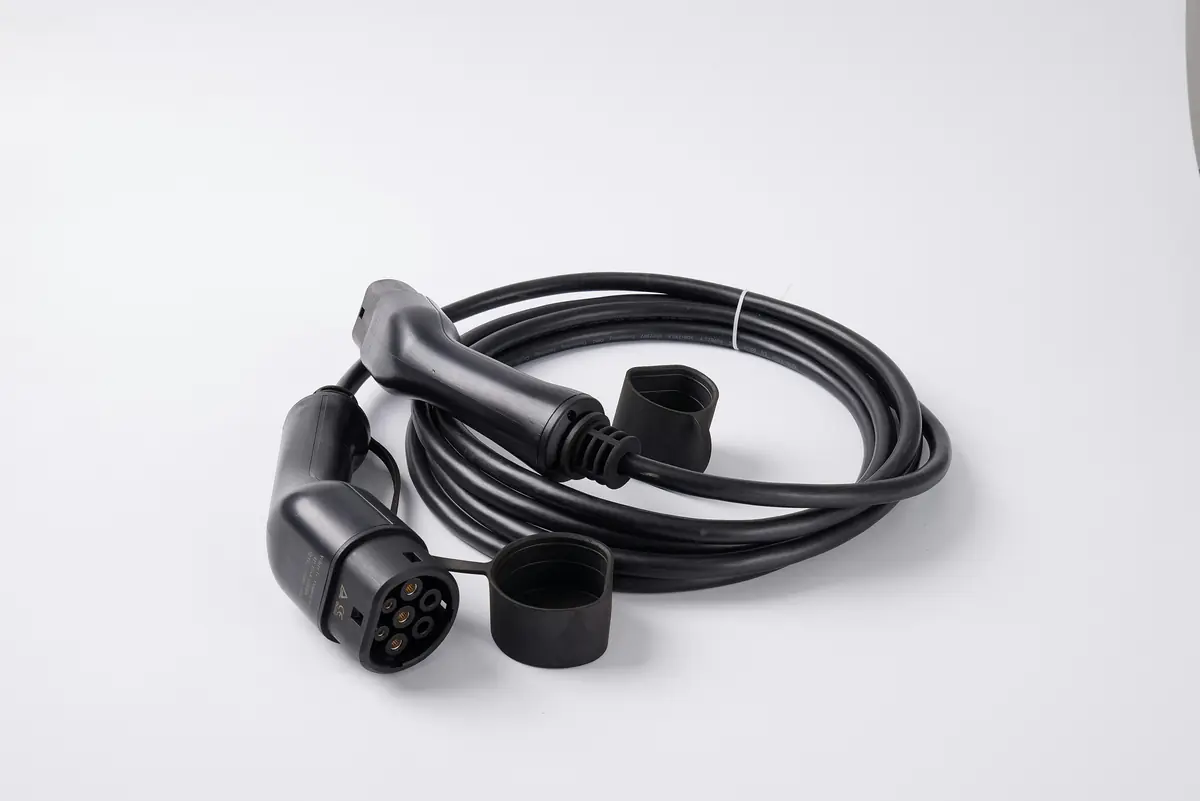
EV connector types and adapters: check the exact vehicle
Confirm the exact vehicle/model year, AC or DC use, charging equipment and approved adapter. U.S. AC charging uses both J1772 and NACS/J3400 arrangements; it is no longer accurate to say all Level 1/2 charging uses J1772.
Read itWant a charger installed at your property?
Send your property type and ZIP code, and a licensed installer for your area gets in touch.