Hardwired vs plug-in EV charging: compare the arrangement
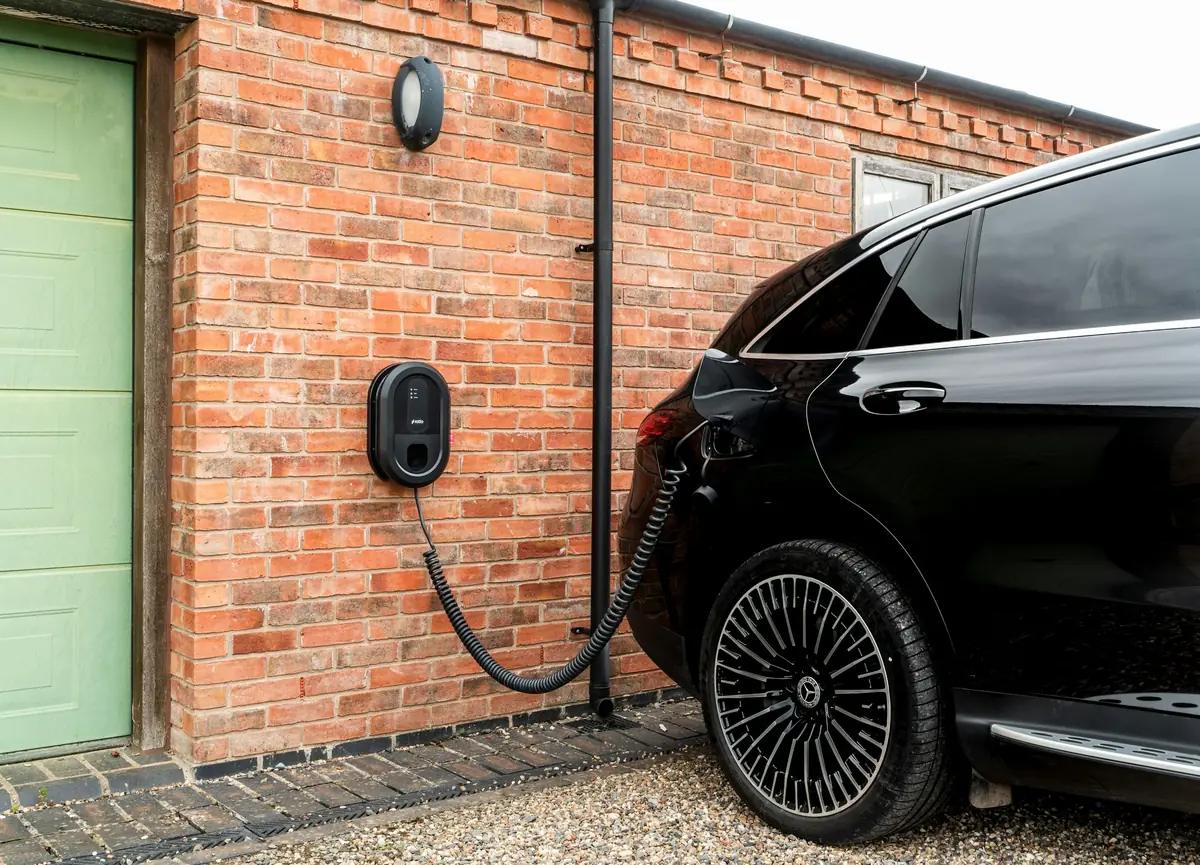
Compare the supported connection method for your equipment, required output, portability and location. Hardwiring removes the charging receptacle from the arrangement; plug-in equipment can offer portability where the product and circuit permit it. Neither choice approves a circuit by itself.
Want this done at your property? Get an installer, or ask a question.
Compare the supported connection method for your equipment, required output, portability and location. Hardwiring removes the charging receptacle from the arrangement; plug-in equipment can offer portability where the product and circuit permit it. Neither choice approves a circuit by itself.
Use the actual-product comparison
| Decision | Hardwired | Plug-in |
|---|---|---|
| Output | May support higher product settings | Limited to its supported plug/circuit settings |
| Compatibility | Product must permit hardwiring | Specified plug must match an assessed receptacle |
| Portability | Removal is electrical work | Can be removable under product instructions |
| Protection | Check product and local requirements | Check required receptacle protection and product interaction |
| Outside use | Check unit, enclosure and location | Also assess receptacle/plug exposure and protection |
| Wear | No charging plug/receptacle connection | Connection condition and intended duty matter |
ChargePoint Home Flex illustrates a product-specific difference: its plug-in settings are 32/40 amps; other settings require hardwiring.1 Tesla's current Wall Connector manual specifies hardwiring.2 Do not turn these examples into one universal power limit for all AC equipment.
Prepare your preferred option for an installer
Will the extra output help?
Check the vehicle's AC limit and energy needed during the charging window. More equipment output cannot overcome the vehicle limit. A lower assessed setting may meet daily use; a second vehicle or short parking window can change that calculation. Compare planning inputs.
Keep required protection
Ask how the contractor will satisfy the adopted electrical rules and product instructions. ChargePoint publishes guidance about receptacle protection and its equipment.1 Do not bypass protection after a fault or assume hardwiring universally removes every GFCI requirement.
Compare installed scope, not one surcharge
Get the actual price for circuit, protection, receptacle or termination, mounting, permits and handover. Do not assume a fixed surcharge or saving from the connection method alone. Rebate equipment/connection conditions can also matter; check the actual program before purchasing.
A practical decision
If portability is important and the chosen charger permits an assessed receptacle arrangement, price that option. If this is a permanent installation or a required higher product setting, compare hardwiring. For outside/shared parking, add location, access and operating requirements to the assessment.
Compare the quoted scope and get an installer to talk through the options.
Sources and check dates
- ChargePoint Home Flex Installation FAQ, ChargePoint. Read 2026-10-13.
- Universal Wall Connector Installation Manual: Circuit Breaker Rating / Maximum Output, Tesla. Read 2026-10-13.
Related guides

How to compare EV charger installation quotes
Compare the same job before comparing totals. Ask each installer to identify equipment, electrical work, approvals, handover and exclusions. A lower total may leave out work included in another quote.
Read it
How to choose a home EV charger before you buy
Choose equipment that fits your exact vehicle and replaces usual driving during the time you park. Check the electrical installation before ordering a high-power unit. Connector compatibility, the vehicle’s AC limit and property capacity are separate decisions.
Read it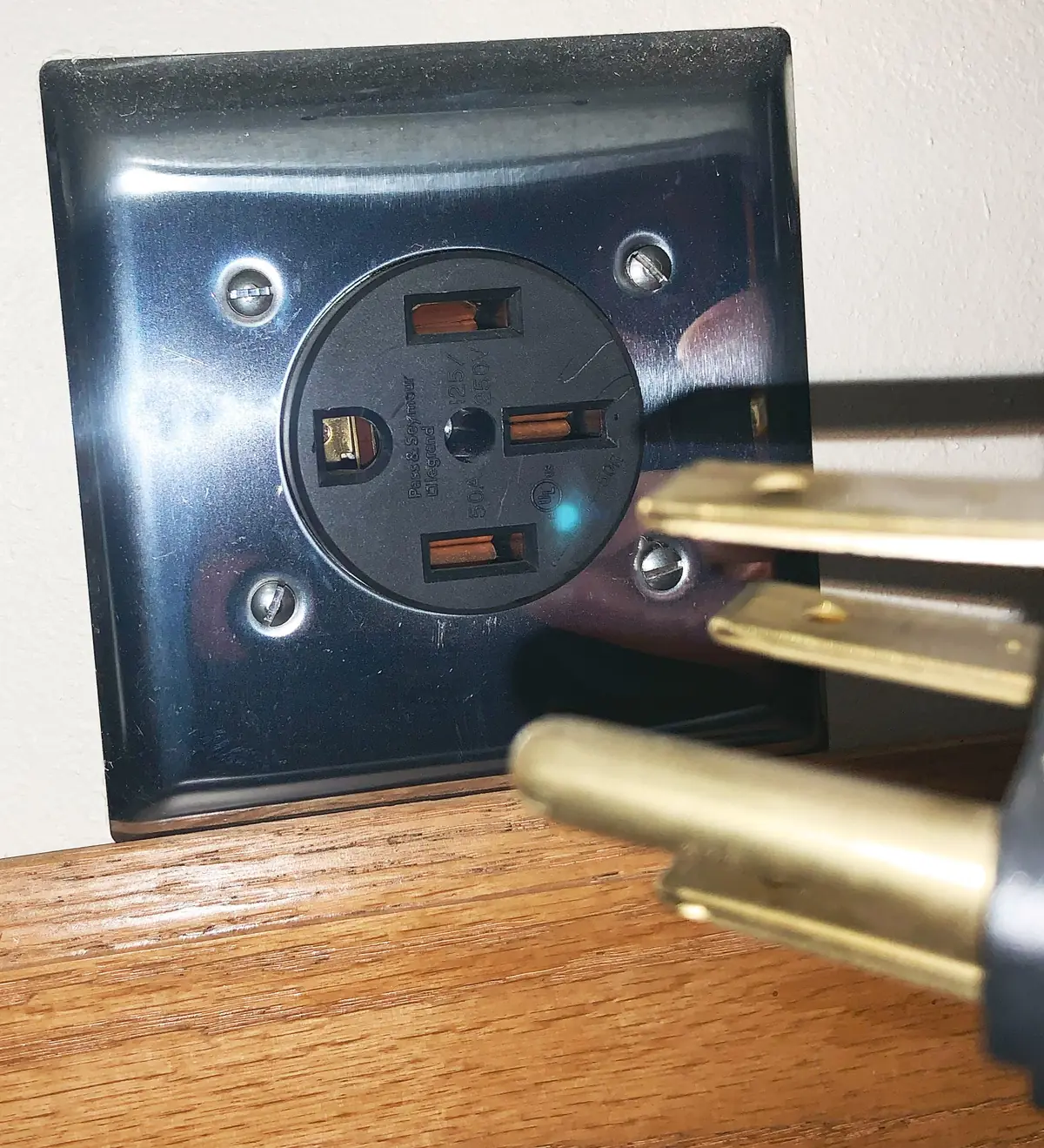
NEMA 14-50 for EV charging: what to assess
A NEMA 14-50 is a receptacle arrangement used by some plug-in EV charging equipment. Installing one for charging requires a suitable circuit and a product that permits that connection. The name alone does not approve an existing outlet for continuous charging.
Read itWant a charger installed at your property?
Send your property type and ZIP code, and a licensed installer for your area gets in touch.