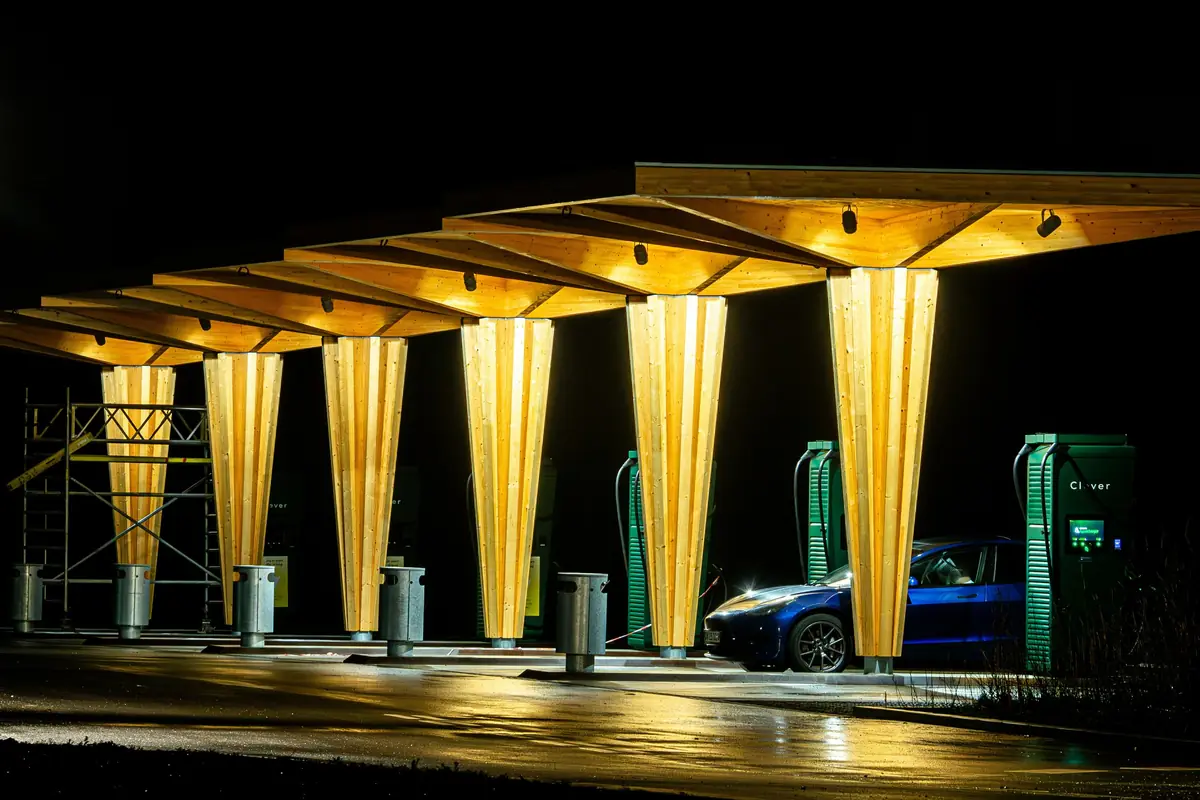
EV charger installation checklist: what to prepare
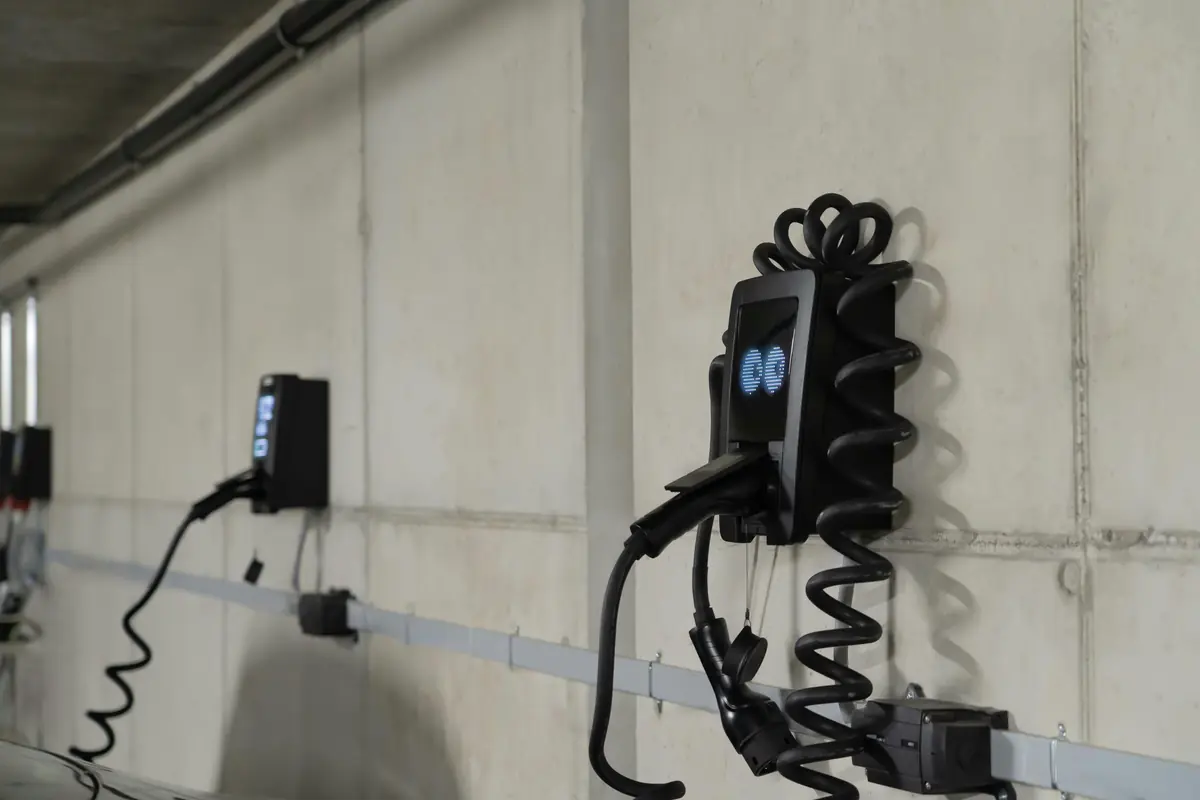
Prepare vehicle details, parking, actual utility, property permission and the charging result you need. Useful photos show closed equipment and the route. You can ask for an installer before you have every detail.
Want this done at your property? Get an installer, or ask a question.
This checklist prepares the conversation. It does not ask you to inspect wiring, open a panel, measure live equipment or choose a breaker. The installer supplies the electrical assessment.
The essentials
- Vehicle: make, model, year, charging inlet and equipment already owned.
- Parking: usual position, charge-port location and whether the space is yours, assigned or shared.
- Goal: usual driving, time parked, ready-by time and any second vehicle.
- Location: ZIP and city; identify the utility from your bill.
- Authority: owner, resident, manager, board or tenant; who approves the work?
- Timing: vehicle delivery, a property project or another real deadline.
Build your preparation brief Get an installer
Helpful photos and documents
Without moving covers or entering an unsafe area, photograph the closed panel, visible labels, parking location and general route between them. Photos cannot establish usable capacity. Crop account numbers and unrelated personal information from documents; share only what the assessment needs.
Have an existing charger's model/manual, relevant property permission and prior quote available. For connected equipment, check whether your phone has a connection at the proposed mounting spot. Tesla's installation instructions make commissioning and registration separate parts of Wall Connector installation.1 Other products have their own handover requirements.
Add details for the property
| Property | Extra preparation |
|---|---|
| Home | Indoor/outdoor location, existing receptacle, planned electrical appliances and preferred equipment. |
| Apartment/condo | Assigned/shared parking, resident or owner role, approval process and electricity payer. |
| Business/hotel | Employee/guest/public use, access/payment, utility rate name and service owner. |
| Fleet | Duty cycles, energy needs, departure windows, delivery phases and depot space. |
Ask before agreeing to work
- What assessment remains, and can it start with photos?
- Who obtains permits and schedules inspection?
- Does the scope include equipment, mounting, commissioning and training?
- Is utility work or funding approval required before construction?
- What assumptions could change the quote or schedule?
The Department of Transportation treats utility, installation and operating planning as connected work that may need revisiting.2 For larger projects, name an owner for each workstream.
Missing a model number or uncertain about the panel? Record that uncertainty. Ask a preparation question or send the details you have.
Sources and check dates
- Installing a Wall Connector, Tesla. Read 2026-10-13.
- EV Infrastructure Project Planning Checklist, U.S. Department of Transportation. Read 2026-10-13.
Related guides

How to compare EV charger installation quotes
Compare the same job before comparing totals. Ask each installer to identify equipment, electrical work, approvals, handover and exclusions. A lower total may leave out work included in another quote.
Read it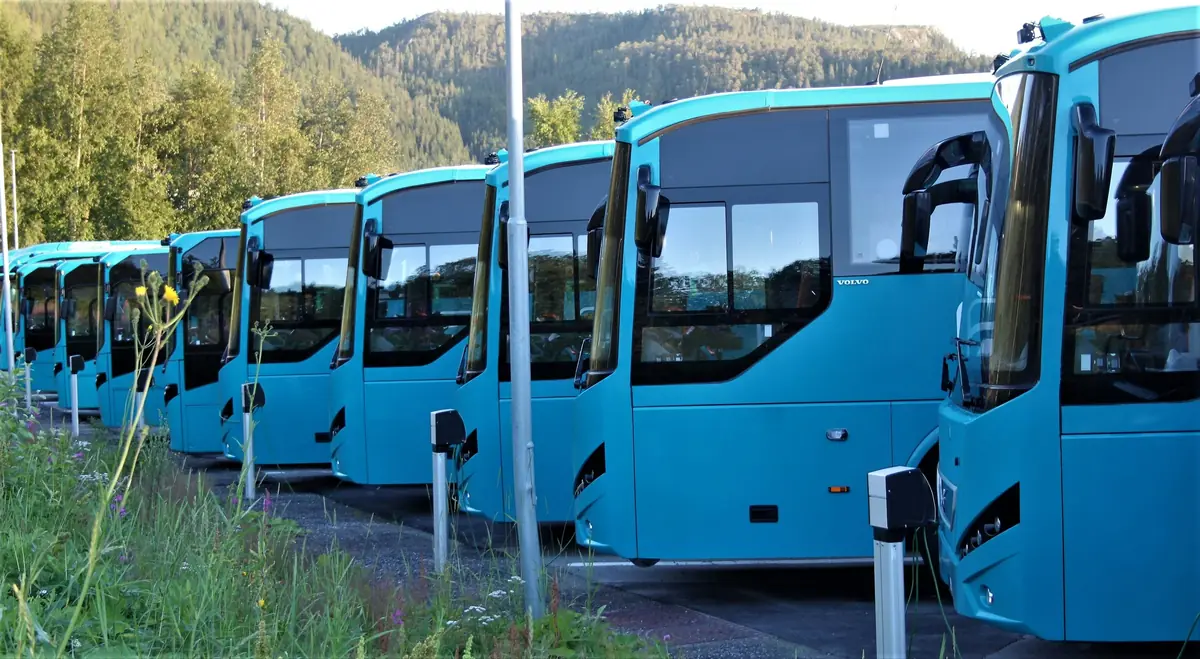
Fleet depot charging plan: energy, dwell and readiness
Start with the energy each vehicle needs before departure and its usable charging window. Assess equipment, power allocation and utility service together. Fleet size alone does not determine charger count or service capacity.
Read it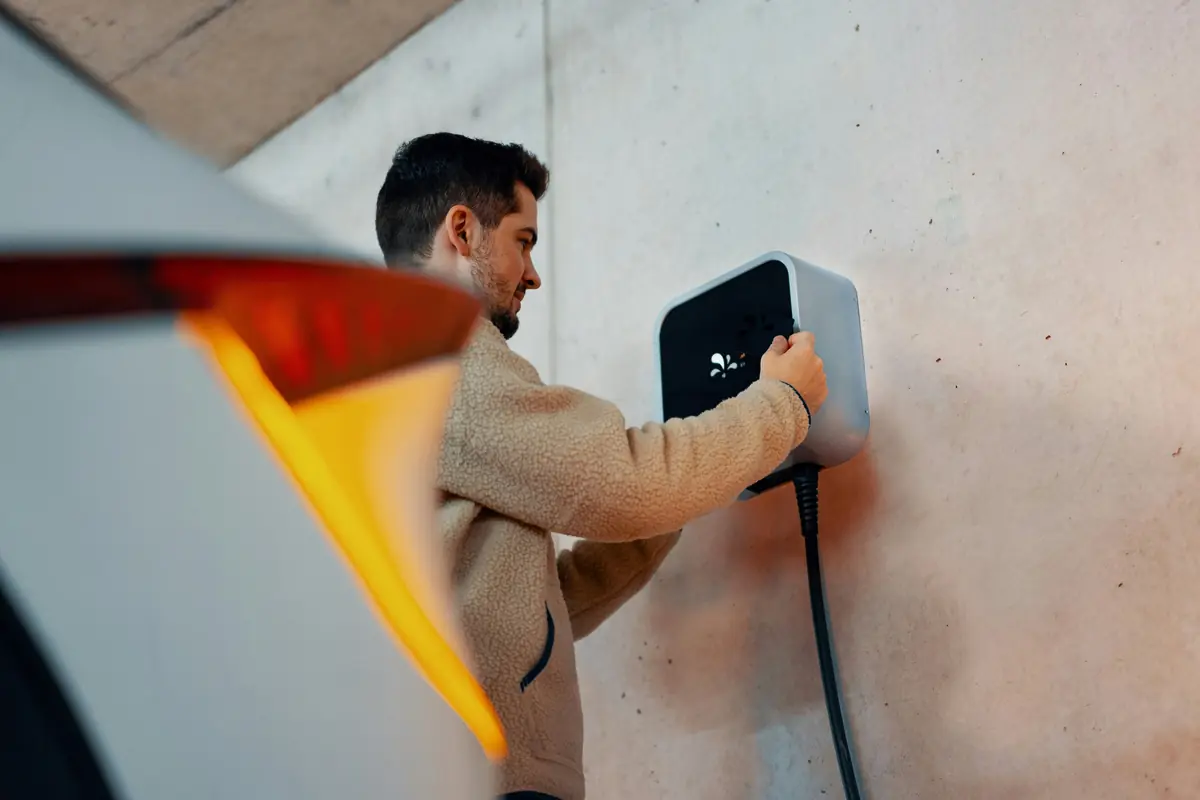
Level 2 EV charger installation: assessment to handover
Level 2 is AC charging using a higher-voltage supply than a typical household outlet. U.S. home installations commonly use 240 volts; some commercial supplies use 208 volts. Equipment, vehicle limits and the assessed circuit determine charging power.
Read itWant a charger installed at your property?
Send your property type and ZIP code, and a licensed installer for your area gets in touch.