NEMA 14-50 for EV charging: what to assess
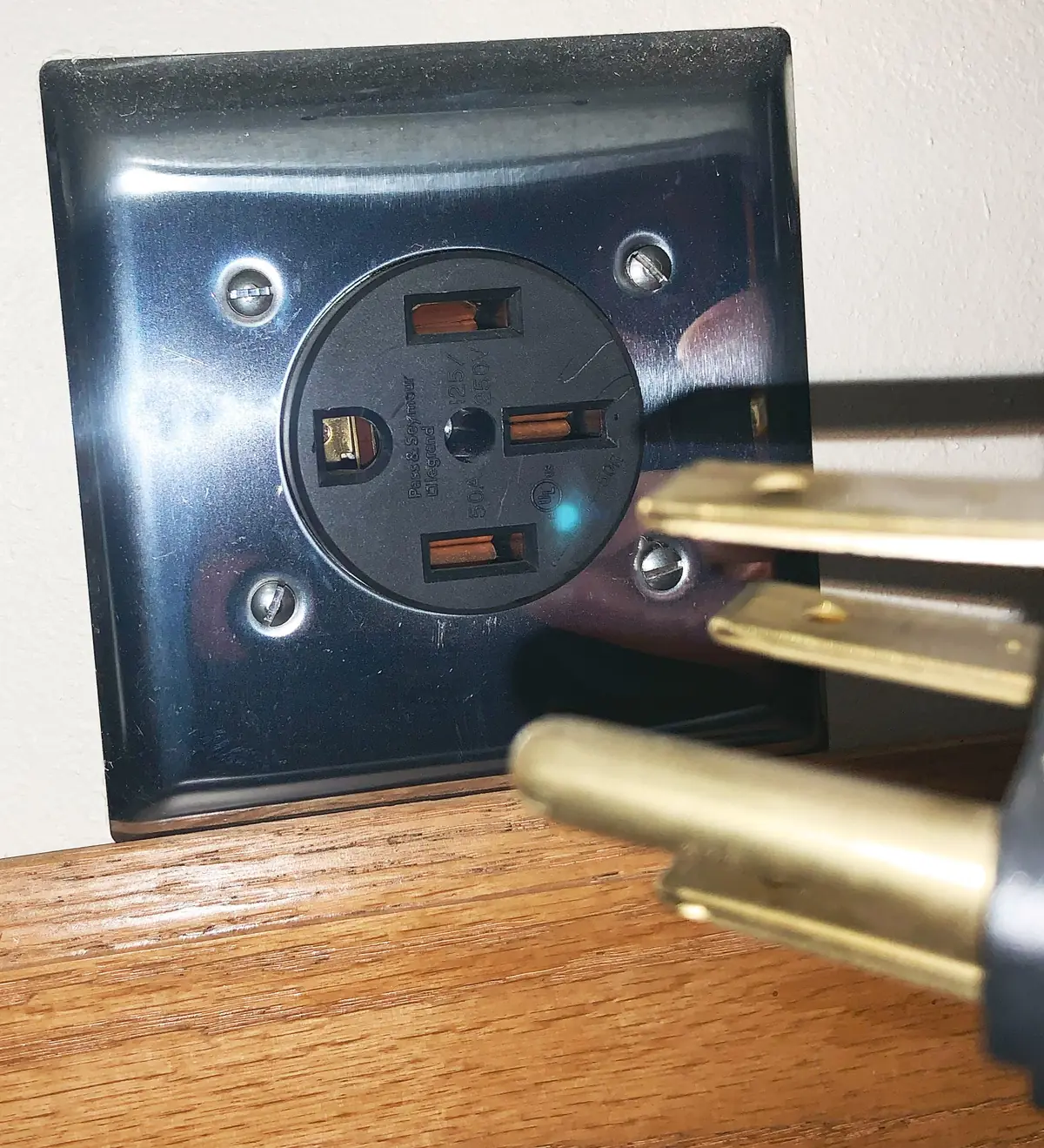
A NEMA 14-50 is a receptacle arrangement used by some plug-in EV charging equipment. Installing one for charging requires a suitable circuit and a product that permits that connection. The name alone does not approve an existing outlet for continuous charging.
Want this done at your property? Get an installer, or ask a question.
A NEMA 14-50 is a receptacle arrangement used by some plug-in EV charging equipment. Installing one for charging requires a suitable circuit and a product that permits that connection. The name alone does not approve an existing outlet for continuous charging.
What to settle before adding one
- Exact charger and vehicle compatibility.
- Required charging energy and available parking time.
- Assessed service capacity and suitable circuit/protection.
- Receptacle location, outside exposure and cable reach.
- Permit, inspection and equipment commissioning.
Discuss an outlet versus hardwired installation
Product output is not the outlet rating
ChargePoint's Home Flex instructions allow its plug-in arrangement at specified 32/40-amp settings and require hardwiring for other settings.3 Tesla's Mobile Connector has its own limit.2 Neither example means every charger draws 40 amps from every 14-50 outlet. Use the exact product's instructions and installer-set limits.
14-50, 6-50 or hardwired?
| Option | Decision |
|---|---|
| 14-50 plug-in | Does the equipment permit it, and does the assessed circuit/protection support it? |
| 6-50 plug-in | Does the charger offer that version? Do not assume a generic adapter substitutes for the supported connection. |
| Hardwired | Is portability needed? Compare output, protection, exposure and the actual installed scope. |
See the detailed comparison. An existing receptacle's wiring and condition need assessment even when its plug shape matches.
Protection and wear
Ask how GFCI and weather protection are handled under the applicable code and manufacturer's instructions. Some chargers have product-specific guidance on interaction with upstream protection.3 Do not remove required protection to address nuisance trips. A receptacle intended for heavy charging duty still needs proper installation and inspection.
The quote and handover
Request equipment, circuit, receptacle/protection, route, mounting, permits and inspection as clear line items or inclusions. Ask whether a later charger replacement can use the arrangement and what must be reassessed. Do not request a DIY wiring recipe from a referral guide.
The cost guide provides attributed home-installation context; compare the scope before agreeing a total.
Sources and check dates
- Mobile Connector, Tesla. Read 2026-10-13.
- ChargePoint Home Flex Installation FAQ, ChargePoint. Read 2026-10-13.
Related guides
Can an existing 240V outlet charge an EV?
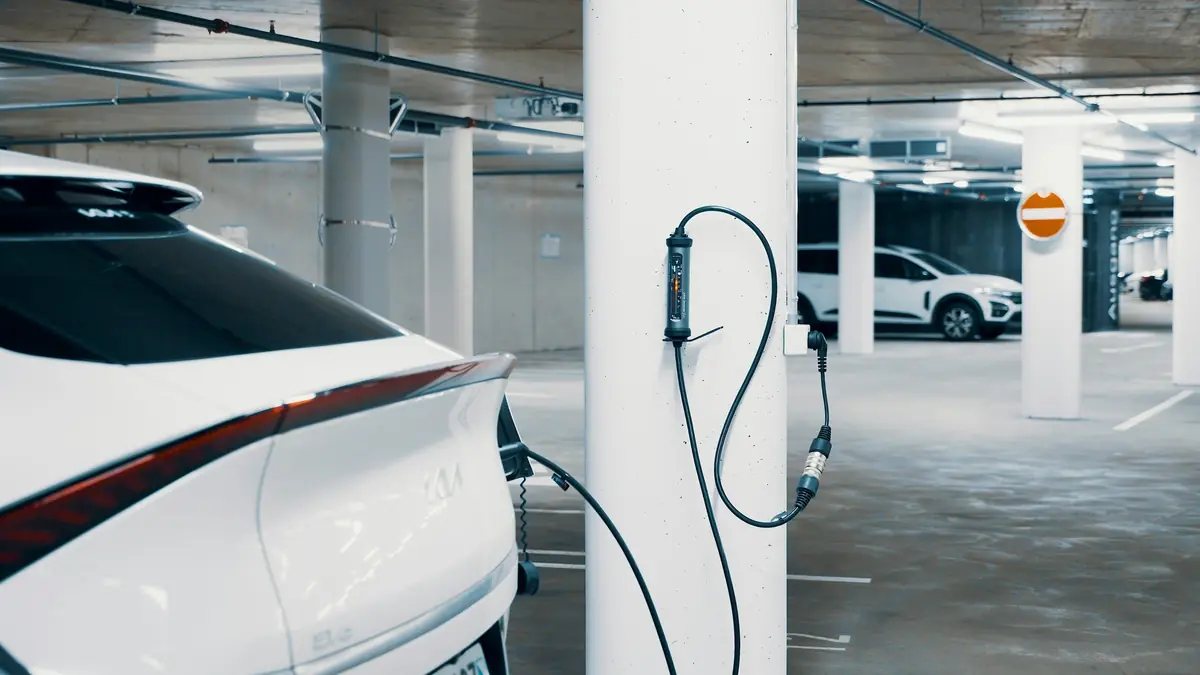
A matching plug is only one condition. Before using an existing outlet, the installer must assess the circuit, grounding, protection, condition and equipment instructions. A receptacle's shape does not prove its breaker size, wiring or suitability. Tesla explicitly says an existing 240-volt outlet should be approved for charging by the installer.
Read it
How to compare EV charger installation quotes
Compare the same job before comparing totals. Ask each installer to identify equipment, electrical work, approvals, handover and exclusions. A lower total may leave out work included in another quote.
Read it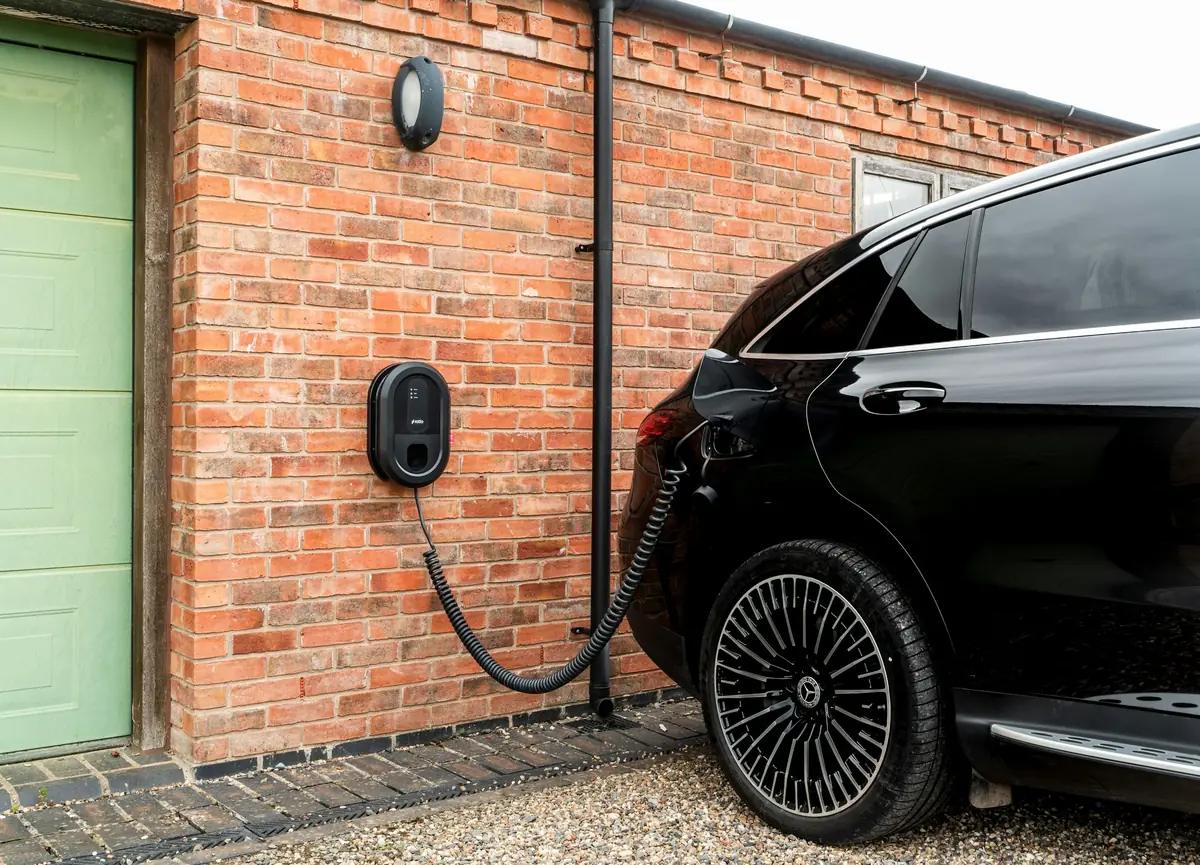
Hardwired vs plug-in EV charging: compare the arrangement
Compare the supported connection method for your equipment, required output, portability and location. Hardwiring removes the charging receptacle from the arrangement; plug-in equipment can offer portability where the product and circuit permit it. Neither choice approves a circuit by itself.
Read itWant a charger installed at your property?
Send your property type and ZIP code, and a licensed installer for your area gets in touch.