Can an existing 240V outlet charge an EV?
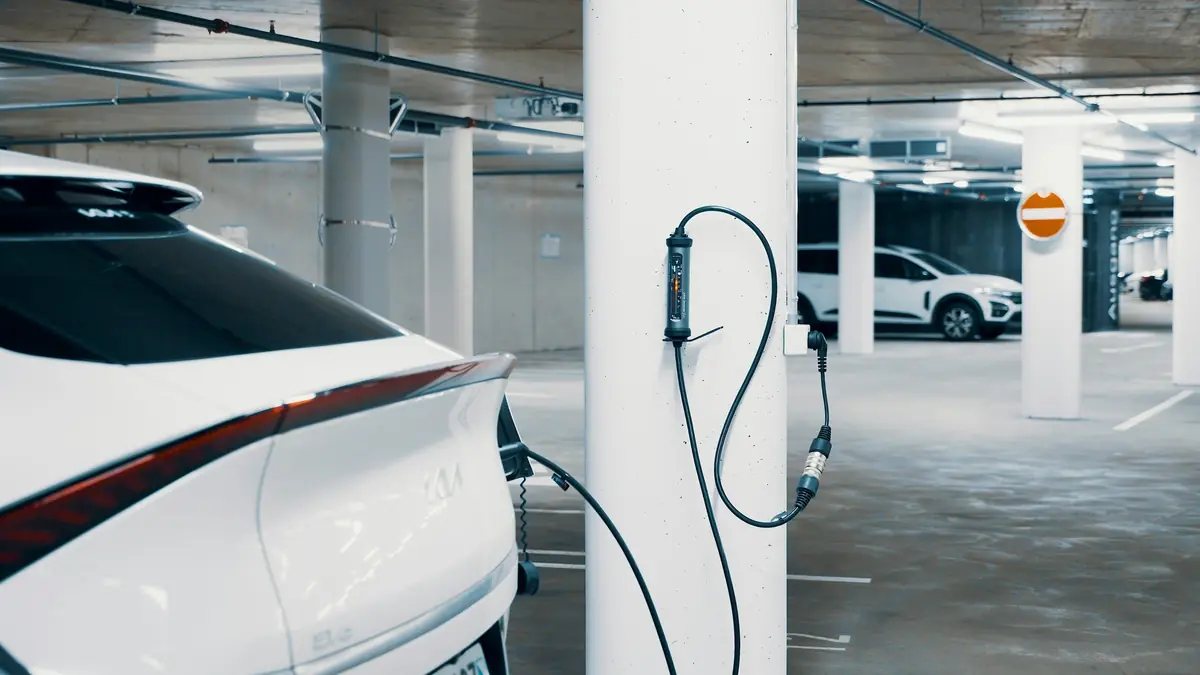
A matching plug is only one condition. Before using an existing outlet, the installer must assess the circuit, grounding, protection, condition and equipment instructions. A receptacle's shape does not prove its breaker size, wiring or suitability. Tesla explicitly says an existing 240-volt outlet should be approved for charging by the installer.
Want this done at your property? Get an installer, or ask a question.
A matching plug is only one condition. Before using an existing outlet, the installer must assess the circuit, grounding, protection, condition and equipment instructions. A receptacle's shape does not prove its breaker size, wiring or suitability. Tesla explicitly says an existing 240-volt outlet should be approved for charging by the installer.2
Identify without assuming
Record the outlet location and any visible designation, plus your charging equipment's model. Do not open it. NEMA 14-50, 6-50 and dryer-style outlets are different arrangements; a shape change or generic conversion adapter does not make them interchangeable.
Ask about an existing outlet Get an installer
Equipment limits differ
Tesla's Mobile Connector has product-specific outlet adapters and supported rates.1 ChargePoint Home Flex plug-in versions use specified 14-50/6-50 arrangements; its instructions differ from a portable charging cord.4 Check the exact manual instead of borrowing another charger's adapter or current setting.
The dryer-sharing question
Ask whether a proposed sharing/control device is compatible with both products, acceptable under the adopted rules and appropriate for the circuit. Do not use an ordinary multi-outlet splitter. Tesla's Mobile Connector manual warns against extension cords, multi-outlet adapters, conversion plugs and power strips.3 A seller's listing for a sharing device does not override the vehicle/charger instructions.
Condition matters
Loose, damaged or worn outlets are not suitable for continued charging use under Tesla's instructions.3 If there is damage, unusual heat or a fault, stop use and follow the product's guidance; do not keep charging while trying internet fixes. Have qualified personnel investigate.
Adding an outlet versus hardwiring
If new electrical work is needed, compare the full proposed arrangement with a hardwired option. Ask about product choice, protection, outside exposure, portability, permits and maintenance. The 14-50 guide owns that receptacle choice; the connection comparison covers tradeoffs.
Use the AC calculator for planning, not outlet approval. Get an installer and tell them about the outlet and charger you have.
Sources and check dates
- Mobile Connector, Tesla. Read 2026-10-13.
- Tesla Home Charging, Tesla. Read 2026-10-13.
- Mobile Connector Gen 3 Owner's Manual, North America, Tesla. Read 2026-10-13.
- ChargePoint Home Flex Installation FAQ, ChargePoint. Read 2026-10-13.
Related guides
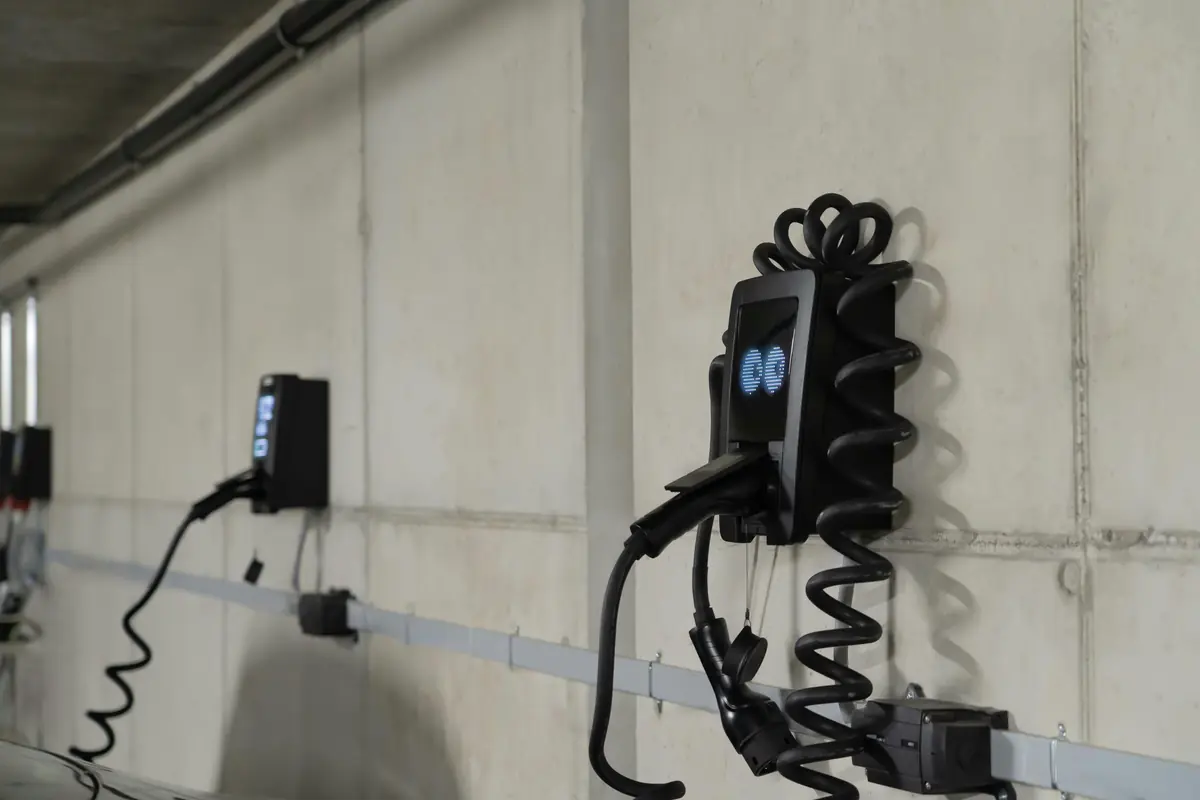
EV charger installation checklist: what to prepare
Prepare vehicle details, parking, actual utility, property permission and the charging result you need. Useful photos show closed equipment and the route. You can ask for an installer before you have every detail.
Read it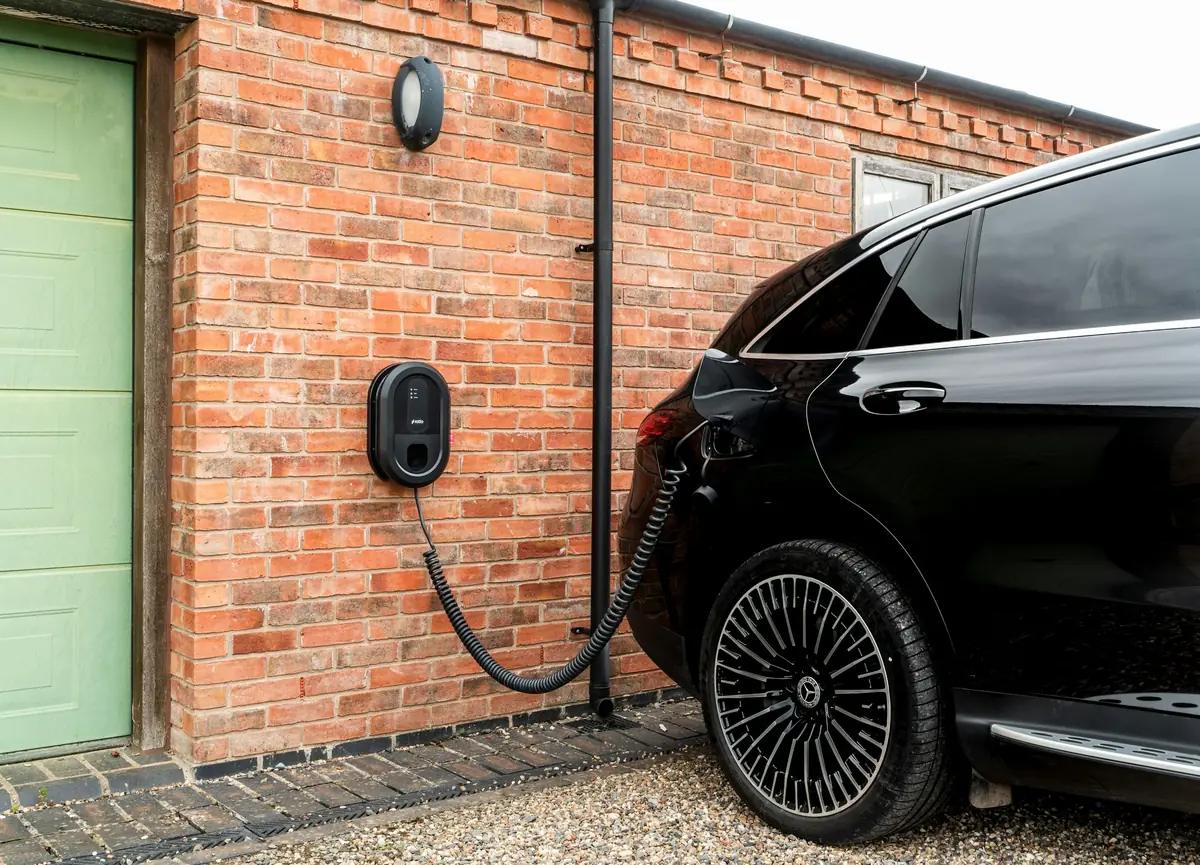
Hardwired vs plug-in EV charging: compare the arrangement
Compare the supported connection method for your equipment, required output, portability and location. Hardwiring removes the charging receptacle from the arrangement; plug-in equipment can offer portability where the product and circuit permit it. Neither choice approves a circuit by itself.
Read it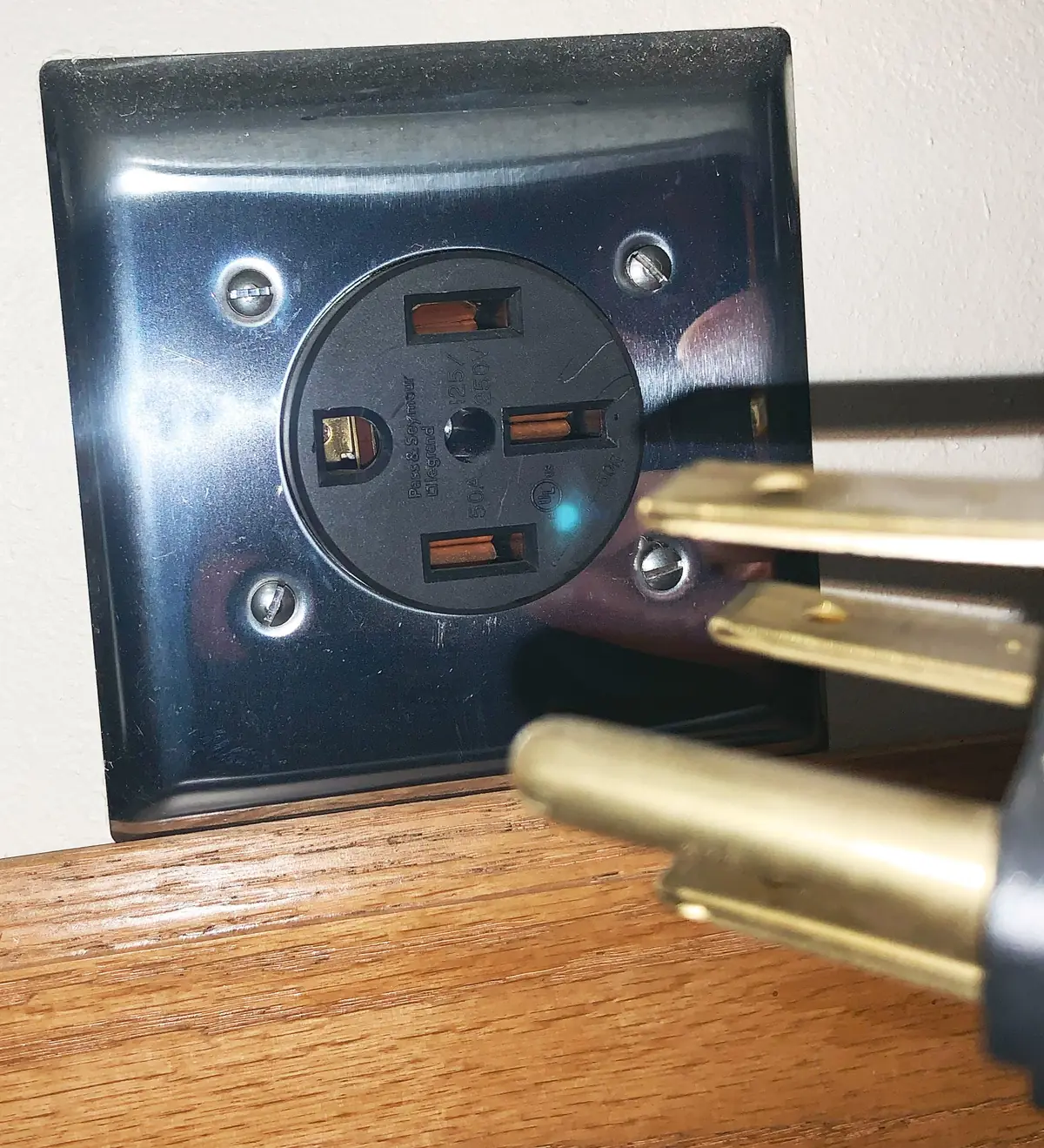
NEMA 14-50 for EV charging: what to assess
A NEMA 14-50 is a receptacle arrangement used by some plug-in EV charging equipment. Installing one for charging requires a suitable circuit and a product that permits that connection. The name alone does not approve an existing outlet for continuous charging.
Read itWant a charger installed at your property?
Send your property type and ZIP code, and a licensed installer for your area gets in touch.