Level 1, Level 2 and DC fast charging: choose by use
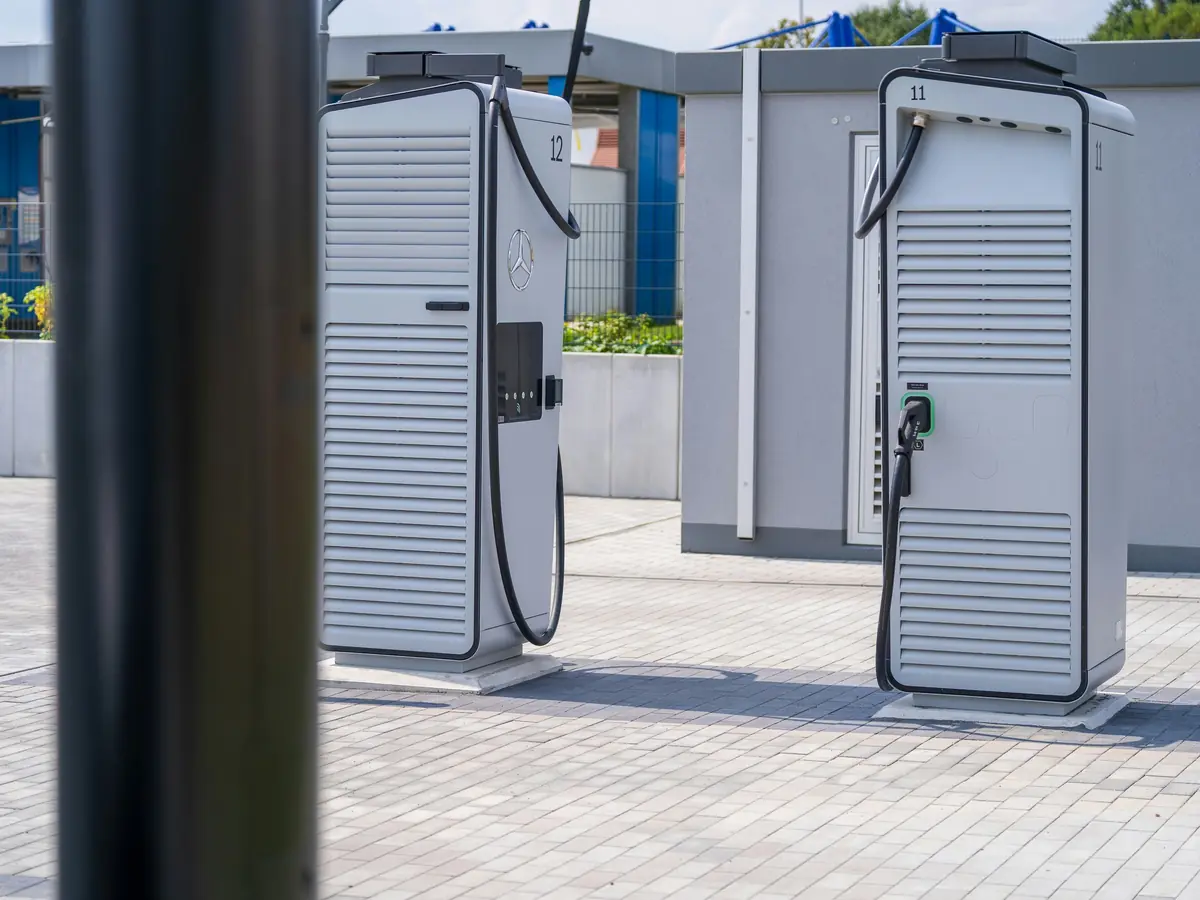
The useful distinction is how energy reaches the vehicle and whether charging fits its parking window. Power alone does not classify AC versus DC. A number above 19.2 kW is not proof that equipment is DC.
Want this done at your property? Get an installer, or ask a question.
The useful distinction is how energy reaches the vehicle and whether charging fits its parking window. Power alone does not classify AC versus DC. A number above 19.2 kW is not proof that equipment is DC.
Charging categories
| Category | Supply and conversion | Planning context |
|---|---|---|
| Level 1 AC | Common U.S. household 120-volt supply; the vehicle converts AC | Lower energy needs with a suitable assessed outlet and long dwell |
| Level 2 AC | Commonly 208/240 volts; vehicle AC limits matter | Home, workplace, shared building and other longer-dwell uses |
| DC fast charging | External equipment supplies DC to the battery | Shorter stops or operations requiring rapid replenishment; site/vehicle limits and changing charging rates matter |
DOE's station guidance describes these categories and AC equipment beyond typical home ratings.1 Check the supported vehicle and equipment rather than classifying from one numeric threshold.
Start with energy and dwell
What energy must be added, by when? A hypothetical 15 kWh battery-side need across ten hours averages 1.5 kW before losses and limits. The same energy needed during a short stop presents another requirement. That arithmetic does not establish a suitable circuit, exact charger count or guaranteed time.
The vehicle can be the limit
Supported AC power, DC behavior, inlet/adapter compatibility, charge level and temperature affect charging. A product's maximum is not a promise of that rate throughout a session. Read the exact vehicle's manual; use the connector guide before buying.
Choose the relevant planning route
- Home: usual driving and overnight parking.
- Business: employees, customers or public access and recurring costs.
- Building: resident parking, approvals and billing.
- Fleet: duty cycle, energy by departure and utility readiness.
Long dwell can create flexibility, but it does not automatically prove lower equipment count or an adequate service. The assessment must establish that.
What our calculator supports
The calculator is an AC planning estimate with explicit energy, efficiency and limit inputs. It is not a constant-power DC charging promise. For installation, prepare the use case and get an installer.
Sources and check dates
- Electric Vehicle Charging Stations, U.S. Department of Energy, AFDC. Read 2026-10-13.
Related guides
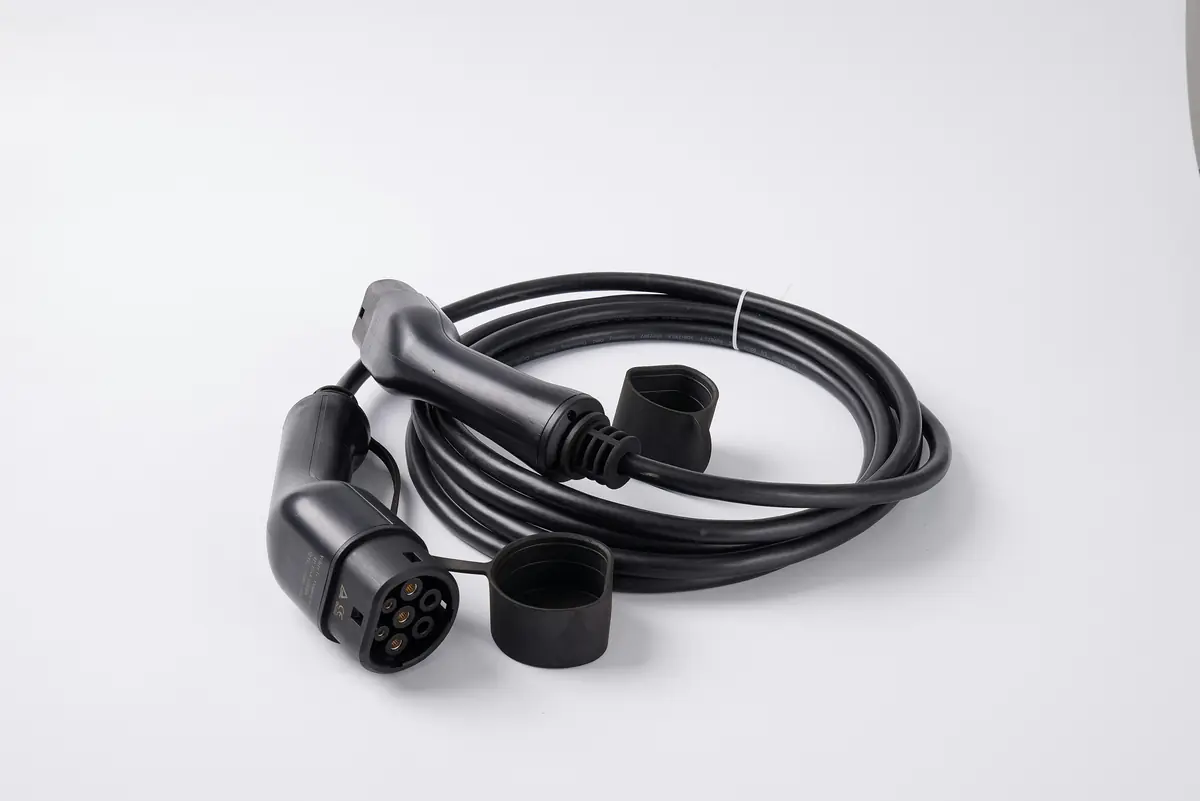
EV connector types and adapters: check the exact vehicle
Confirm the exact vehicle/model year, AC or DC use, charging equipment and approved adapter. U.S. AC charging uses both J1772 and NACS/J3400 arrangements; it is no longer accurate to say all Level 1/2 charging uses J1772.
Read it
Fleet depot charging plan: energy, dwell and readiness
Start with the energy each vehicle needs before departure and its usable charging window. Assess equipment, power allocation and utility service together. Fleet size alone does not determine charger count or service capacity.
Read it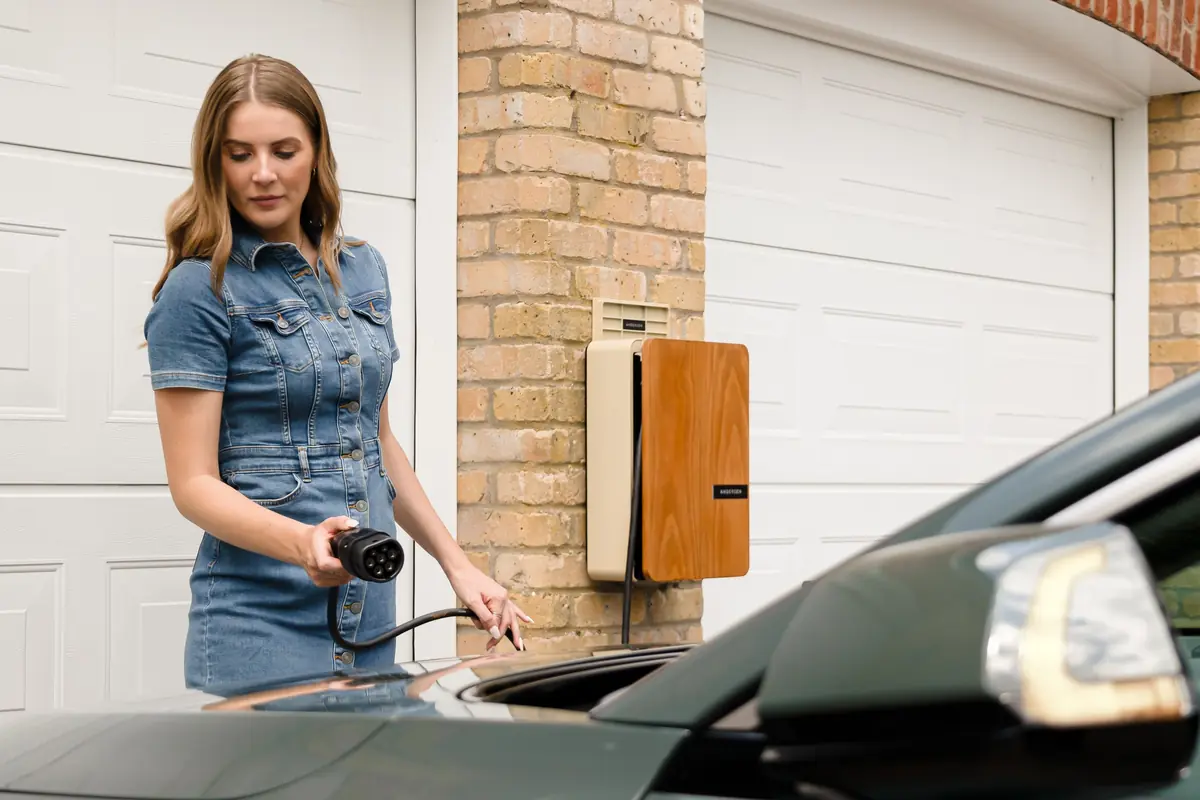
How to choose a home EV charger before you buy
Choose equipment that fits your exact vehicle and replaces usual driving during the time you park. Check the electrical installation before ordering a high-power unit. Connector compatibility, the vehicle’s AC limit and property capacity are separate decisions.
Read itWant a charger installed at your property?
Send your property type and ZIP code, and a licensed installer for your area gets in touch.