Fleet depot charging plan: energy, dwell and readiness
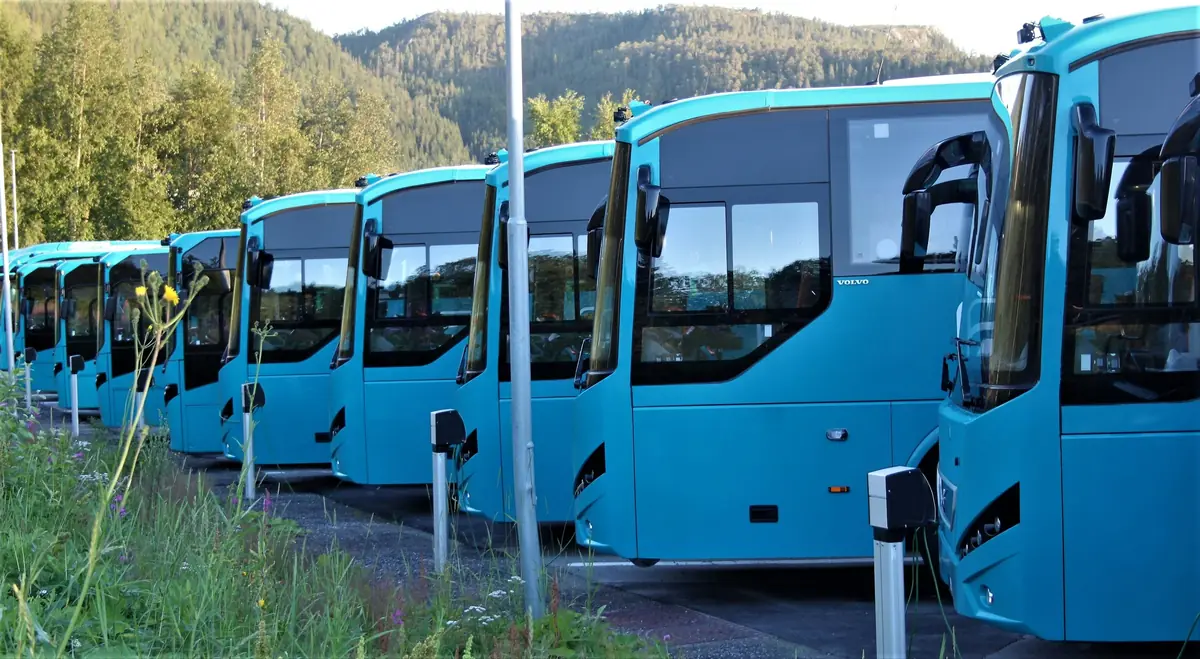
Start with the energy each vehicle needs before departure and its usable charging window. Assess equipment, power allocation and utility service together. Fleet size alone does not determine charger count or service capacity.
Want this done at your property? Get an installer, or ask a question.
The fleet inputs that matter
- Vehicle/battery models and supported AC/DC charging.
- Usual and demanding duty cycles, measured energy or distance, seasons and auxiliary loads.
- Return, departure, parking location and usable charging window.
- Delivery phases, growth assumptions and depot tenure.
- Shared charging positions versus dedicated access.
- Reserve vehicles, missed charging, outage response and interim arrangements.
FEMP provides a fleet site-data planning questionnaire.1 It is a useful input model, not an EV Ready USA assessment or a depot design.
Get an installer for your fleet
An illustrative energy and time case
One vehicle needing 45 kWh added during nine hours has an average battery-side requirement of 5 kW. Twenty such vehicles need 900 kWh across their windows. Overlapping arrivals, losses, limits and departure priority change the actual power schedule. This arithmetic does not prescribe twenty chargers, a service size or a guaranteed completion time.
Questions about managed charging
Managed charging adapts charging to vehicle needs and control objectives.2 Ask how the proposal handles priorities, late arrivals, communication failure, missed sessions and changed route energy. Establish who can override settings and what happens when controls lose connectivity.
Test a demanding day as well as an average day. An average-energy total alone can hide an undercharged early departure.
Utility readiness and vehicle delivery
Provide an initial demand profile and growth scenario. Ask what customer/utility-side work is needed, who supplies design information, which rate applies and which dates are confirmed. Coordinate the timeline before assuming service is ready when vehicles arrive.
Set phases and responsibilities
- Define the first operating cohort and energy needs.
- Assess later paths/space while keeping growth hypothetical.
- Agree construction, inspection, commissioning and acceptance owners.
- Assign monitoring, faults, software and maintenance.
- Record the unavailable-port/power fallback and exercise it before service.
Review tariffs and recurring costs and current programs. Funding availability and charger savings need evidence for the actual project.
Prepare the depot brief and send duty cycles, timing and known utility.
Sources and check dates
- Deploying Electric Vehicles and EV Supply Equipment, U.S. Department of Energy, FEMP. Read 2026-10-13.
- Managed and Bidirectional Charging, U.S. Department of Energy, FEMP. Read 2026-10-13.
Related guides
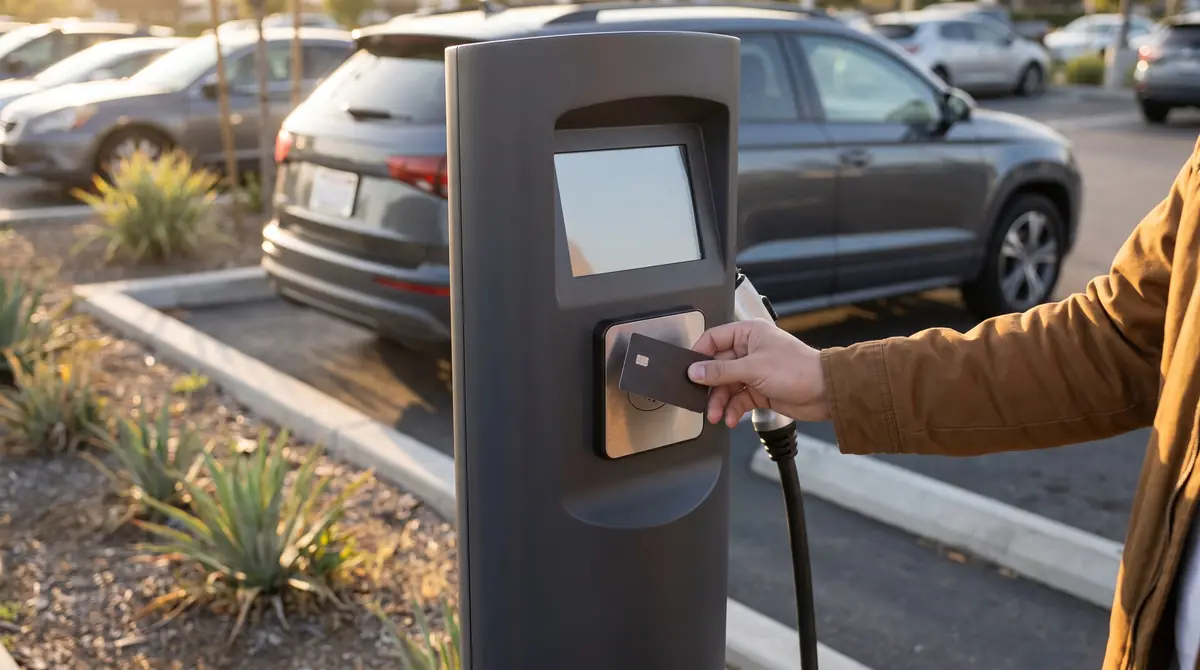
Commercial EV charging operating costs: build a budget
Use the actual electricity tariff, expected use, network/payment fees, maintenance and administration to build an operating budget. Installation is separate. A per-kWh energy figure may not be the whole bill.
Read it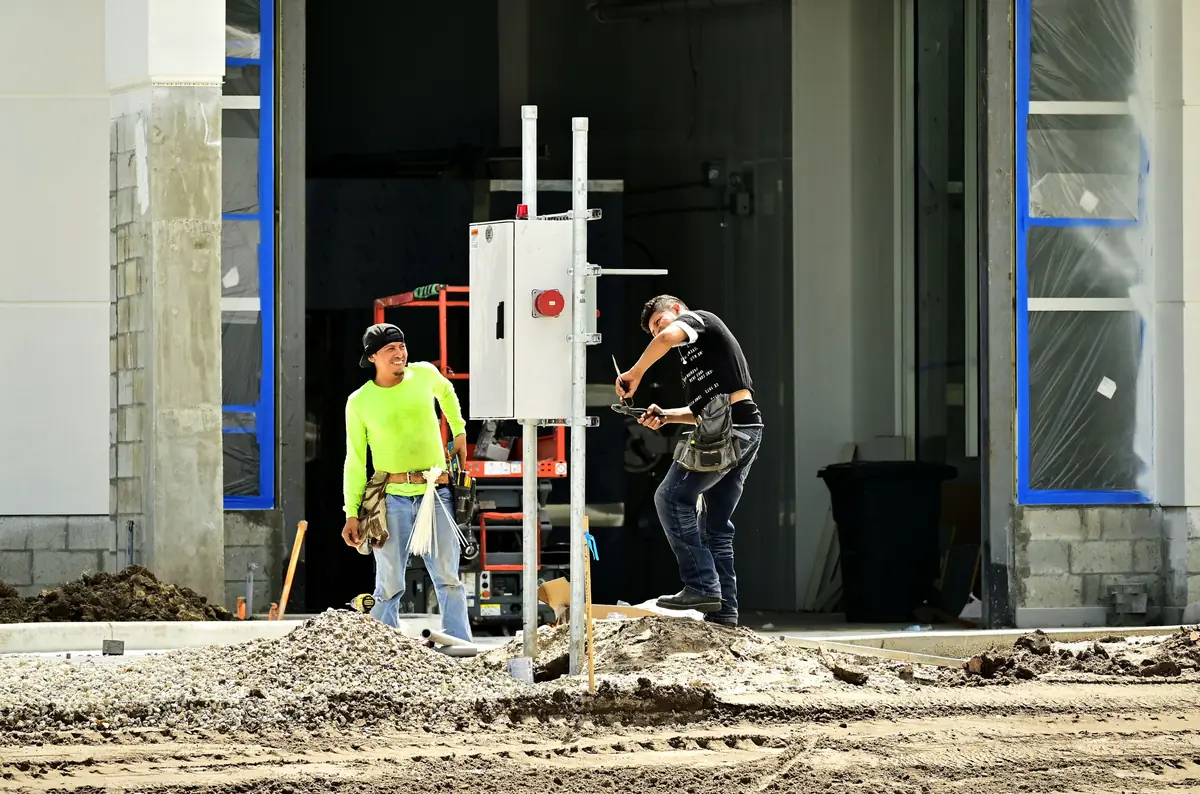
EV charger installation timeline: what sets the schedule
The work appointment is one part of the schedule. Assessment, property permission, funding conditions, equipment, permits and utility work can determine when it happens. Ask for the project-specific sequence and the owner of each dependency.
Read it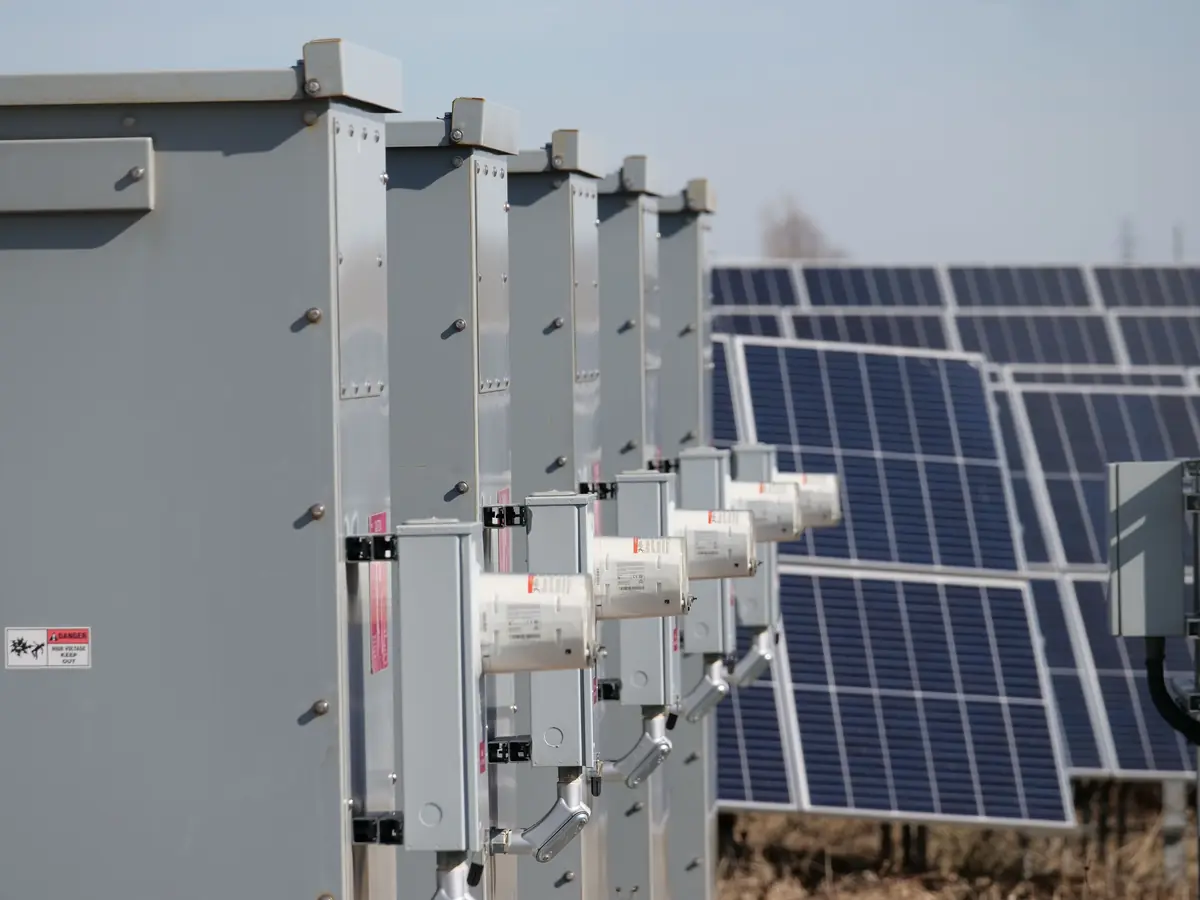
EV permits and utility make-ready for larger projects
A commercial installation can need local permission, electrical/service approval and funding approval. These are separate workstreams. A rebate application does not approve electrical construction, and a permit does not reserve utility funding.
Read itWant a charger installed at your property?
Send your property type and ZIP code, and a licensed installer for your area gets in touch.