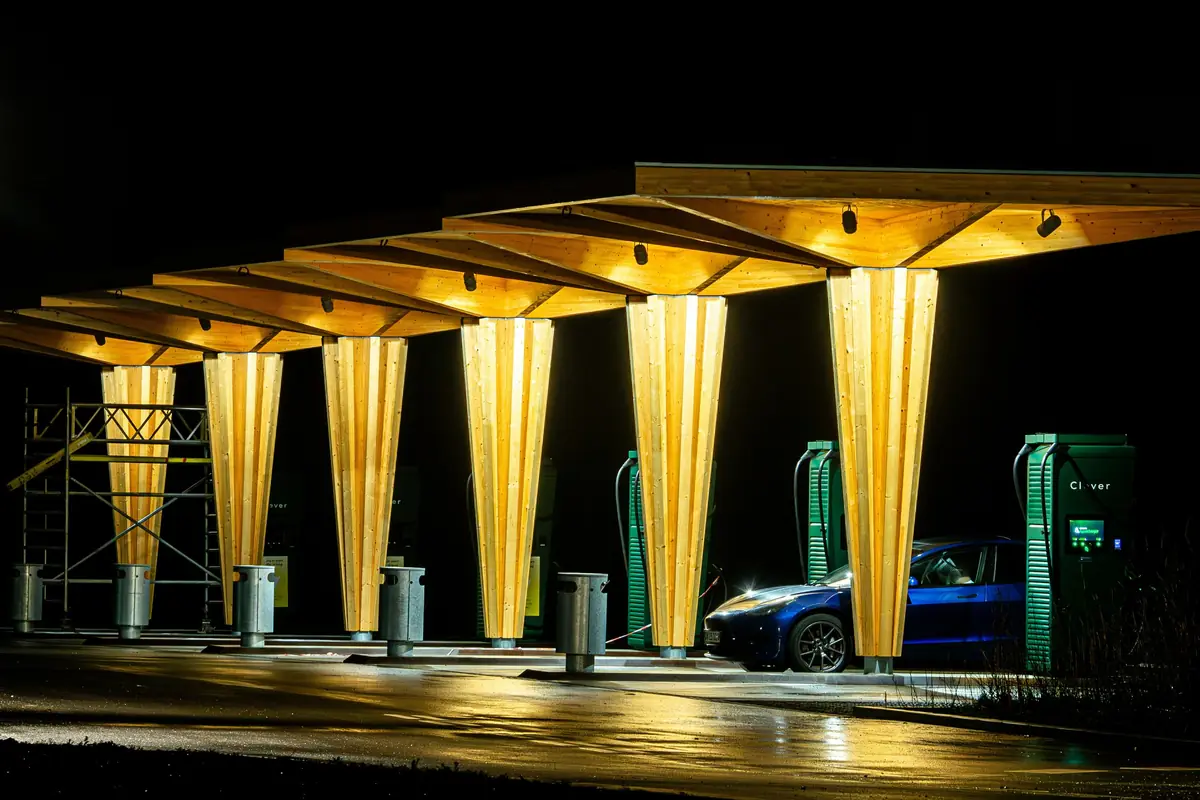
Federal EV charger tax credit: cutoff and earlier work

The IRS says the Alternative Fuel Vehicle Refueling Property Credit does not apply to property placed in service after June 30, 2026. Starting or paying for a new installation now does not meet that cutoff. Earlier qualifying property may still have a filing question for the tax year in which it entered service.
Want this done at your property? Get an installer, or ask a question.
The IRS says the Alternative Fuel Vehicle Refueling Property Credit does not apply to property placed in service after June 30, 2026.1 Starting or paying for a new installation now does not meet that cutoff. Earlier qualifying property may still have a filing question for the tax year in which it entered service.
Placed in service is the important date
| Situation | Planning consequence |
|---|---|
| New installation after June 30, 2026 | Do not include a 30C credit in its budget. |
| Property entered service by the cutoff | Check that year's full requirements and records; timing alone does not establish eligibility. |
| Deposit or purchase before cutoff, service afterward | A purchase/deposit date does not substitute for the required service date. |
The statutory change is in Public Law 119-21; Form 8911 instructions reflect it.23 Older pages still showing December 2032 are stale for this credit.
Check current state and utility programs
Earlier home installations
The IRS describes a 30% credit, capped at $1,000 per qualifying item, for eligible home property in the stated 2023–June 2026 period. Location in a qualifying low-income or non-urban census tract and the other requirements matter.1 A ZIP code or a current eligibility map alone does not establish the treatment of a historical installation.
Retain invoices, equipment details, location and service-date evidence. IRS Publication 6027 explains individual requirements and qualifying-cost treatment.4 Do not assume every panel or house-electrification expense qualifies simply because a charger was added.
Earlier business installations
The IRS describes a 6% base rate and a higher 30% rate where the applicable prevailing-wage/apprenticeship conditions or exceptions are met, with a $100,000-per-item cap. Business property and location conditions also apply.1 A statement that all businesses receive 30% omits those conditions.
Tax-exempt/government entities have additional elective-pay procedures where applicable. Use current IRS instructions and an adviser for the actual filing; this preparation page does not decide tax eligibility.
What to do for a new project
- Remove an assumed 30C benefit from the new-project budget.
- Identify the actual utility and property use.
- Review checked state/utility records for applicant, expenses, equipment and approval order.
- Confirm the provider's terms before committing affected work.
A state rebate, make-ready program or electricity rate is a different instrument. See how incentives work.
For installation planning, prepare a brief or get an installer.
Sources and check dates
- Alternative Fuel Vehicle Refueling Property Credit (page last reviewed May 26, 2026), Internal Revenue Service. Read 2026-10-13.
- Instructions for Form 8911 (Rev. December 2025), Internal Revenue Service. Read 2026-10-13.
- Public Law 119-21 (July 4, 2025), Section 70504: Alternative Fuel Vehicle Refueling Property Credit termination, U.S. Government Publishing Office. Read 2026-10-13.
- Publication 6027: Individuals, Electric Vehicle Chargers, and the Alternative Fuel Vehicle Refueling Property Credit (Rev. 5-2026), Internal Revenue Service. Read 2026-10-13.
Related guides

How EV charging incentives work: conditions and order
First identify what the program offers, who applies and which costs/actions qualify. A rebate, make-ready project, competitive grant, electricity rate and tax credit are different tools. A maximum award is not a reserved payment for your property.
Read it
EV permits and utility make-ready for larger projects
A commercial installation can need local permission, electrical/service approval and funding approval. These are separate workstreams. A rebate application does not approve electrical construction, and a permit does not reserve utility funding.
Read it
EV charger installation cost: published ranges and scope
Angi reports $554–$1,380; Tesla estimates $750–$1,500 installation excluding hardware; EnergySage reports $800–$3,000 before equipment. Read the dated source/scope table and shared-data limitations before comparing a quote. These are third-party home figures, not EV Ready USA prices.
Read itWant a charger installed at your property?
Send your property type and ZIP code, and a licensed installer for your area gets in touch.