The EV charging 80/20 rule: battery vs circuit

People use 80/20 for two different questions: how full to keep a vehicle battery and how a charging circuit is rated for sustained use. A battery recommendation does not determine the circuit setting, and a circuit rating does not set the battery's charge limit.
Want this done at your property? Get an installer, or ask a question.
People use 80/20 for two different questions: how full to keep a vehicle battery and how a charging circuit is rated for sustained use. A battery recommendation does not determine the circuit setting, and a circuit rating does not set the battery's charge limit.
Battery guidance belongs to the vehicle
There is no universal 20–80% instruction for every battery. Tesla tells owners to use the vehicle's recommended charge limit and notes that batteries have different routines.8 Follow the current instructions for your exact vehicle and battery, including any full-charge/calibration guidance and long-trip preparation.
Ford's 2024 Mustang Mach-E owner manual also distinguishes battery types and charging contexts.2 Do not copy a recommendation from a different battery or model year because both vehicles are electric.
Compare your AC charging window
The electrical use of 80%
Manufacturer circuit-setting tables often show charging output below breaker rating to account for sustained load. ChargePoint Home Flex, for example, publishes a 32-amp setting for a 40-amp circuit and 40 amps for a 50-amp circuit.5 The installer follows the applicable code, equipment instructions and assessed design. The table is not permission for the owner to alter a breaker or charger setting.
A planning example with losses
Suppose a vehicle needs 12 kWh added across eight hours. That is an average 1.5 kW at the battery. At an illustrative 90% charging efficiency, wall energy is 12 ÷ 0.9 = 13.3 kWh; average wall power is about 1.67 kW. Actual limits, temperature and vehicle behavior can change the estimate. This example helps discuss daily need; it does not choose a circuit.
A full-charge trip and circuit safety
If the vehicle instructions permit a higher limit before a trip, changing that battery target does not authorize a higher circuit current. Likewise, stopping at 80% does not make an inadequate circuit safe: the car can draw its allowed current during the session.
Questions for your installation
- What limit does the exact vehicle recommend?
- What energy do ordinary and demanding days require?
- What circuit/output setting is suitable after assessment?
- Who commissions any load management?
- How do you safely use the agreed settings?
Read the capacity guide and choose equipment for your actual use. Get an installer if you want someone to look at your panel.
Sources and check dates
- 2024 Mustang Mach-E Owner's Manual: Preserving Your High Voltage Battery, Ford Motor Company. Read 2026-10-13.
- ChargePoint Home Flex Installation FAQ, ChargePoint. Read 2026-10-13.
- Home Charging: battery recommendations, Tesla. Read 2026-10-13.
Related guides
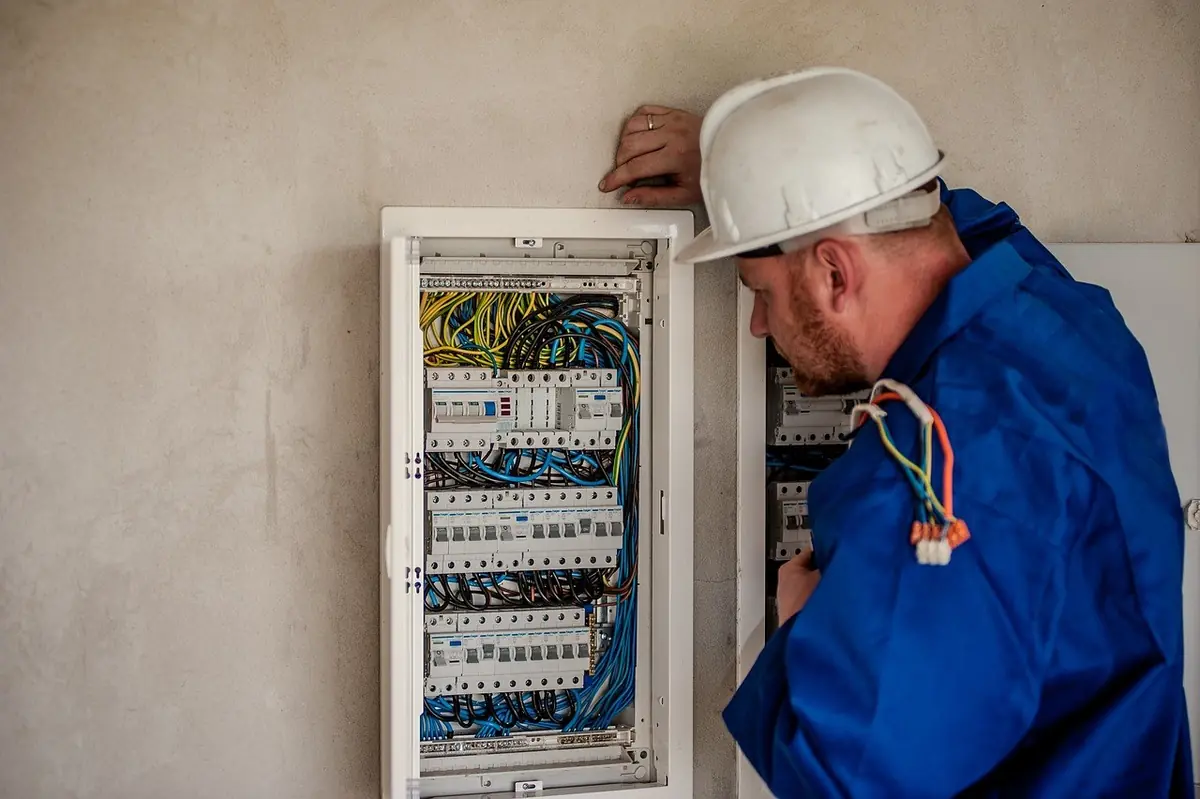
Does EV charging need a panel or service upgrade?
A panel or service upgrade is not automatic. An electrician must assess the existing loads, proposed charging and applicable rules. An empty breaker space is not proof of spare electrical capacity; a full panel is not proof that the utility service must increase.
Read it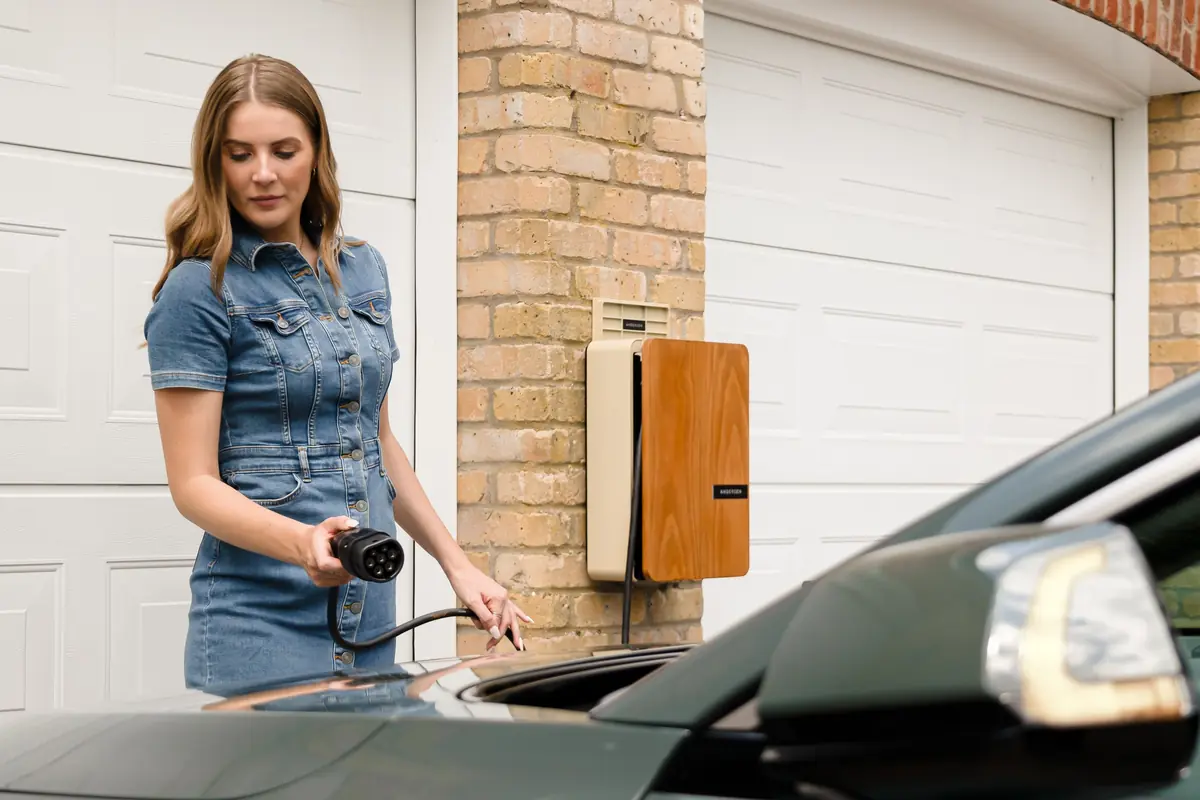
How to choose a home EV charger before you buy
Choose equipment that fits your exact vehicle and replaces usual driving during the time you park. Check the electrical installation before ordering a high-power unit. Connector compatibility, the vehicle’s AC limit and property capacity are separate decisions.
Read it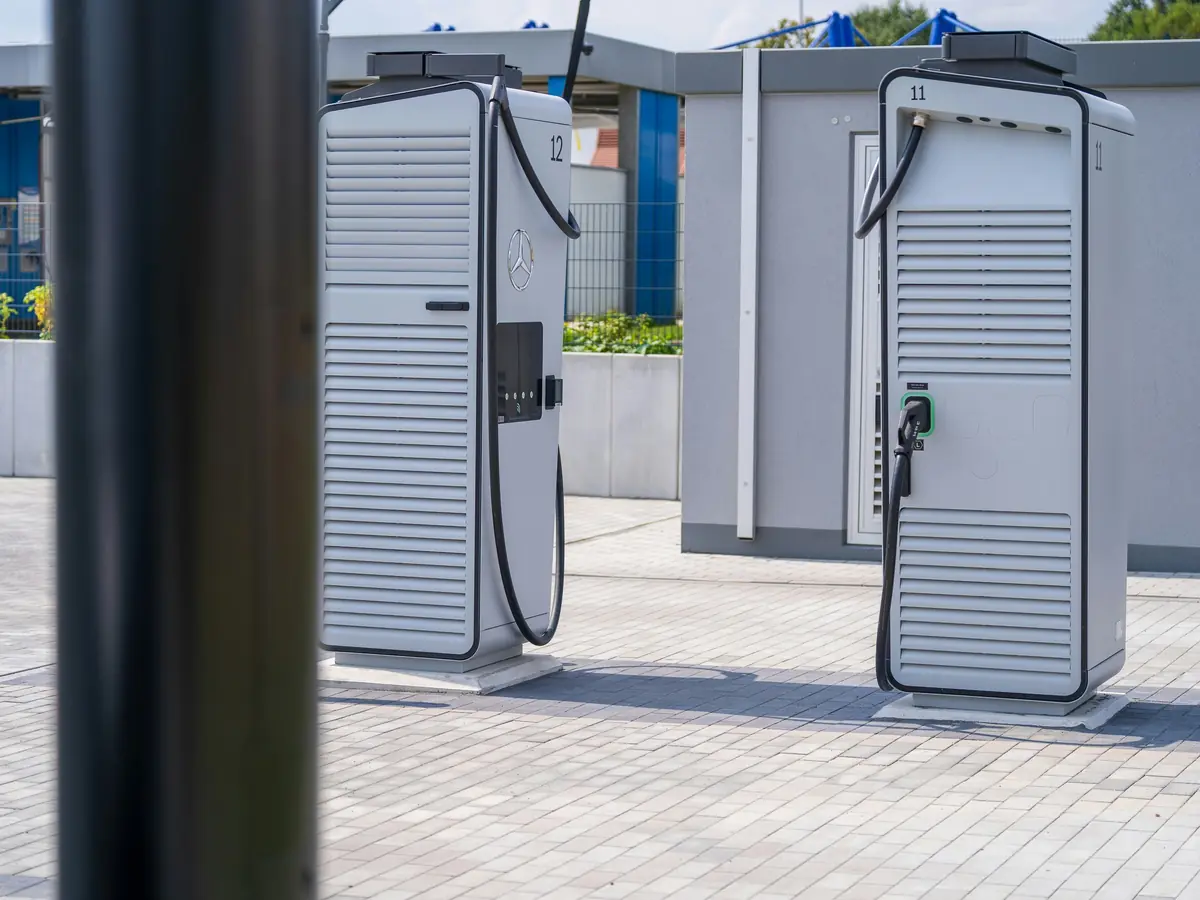
Level 1, Level 2 and DC fast charging: choose by use
The useful distinction is how energy reaches the vehicle and whether charging fits its parking window. Power alone does not classify AC versus DC. A number above 19.2 kW is not proof that equipment is DC.
Read itWant a charger installed at your property?
Send your property type and ZIP code, and a licensed installer for your area gets in touch.