EV charging ownership and service models
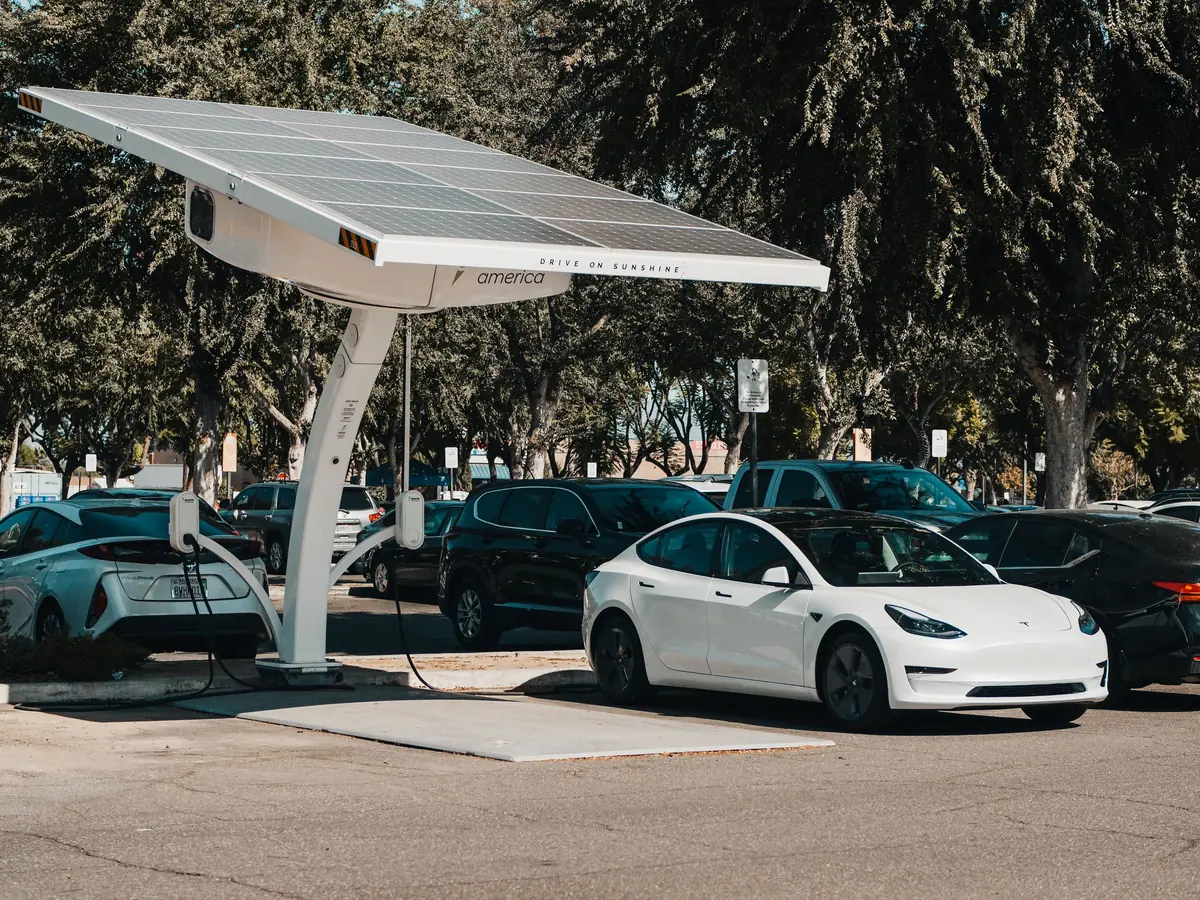
Compare equipment and wiring ownership, recurring costs and operating control. Purchase, managed services and third-party hosting allocate these differently. The actual contract matters more than the model’s label.
Want this done at your property? Get an installer, or ask a question.
Three arrangements to investigate
| Arrangement | Confirm |
|---|---|
| Owner buys equipment/installation | Capital scope, software/service contracts, utility bill, accounts and maintenance |
| Owner equipment with managed service | Fee, term, labor/parts, commitments, data/control and renewal |
| Third-party-owned host arrangement | Site rights, construction, electricity payer, access/prices, revenue and exit/restoration |
DOT describes ownership divisions among hosts, third parties and utilities.1 Utility make-ready can alter wiring ownership without making the entire operation utility-owned.
Describe your preferred arrangement
Put these questions beside each offer
- Who owns transformers, meters, customer wiring, equipment and accounts?
- Who pays energy, demand/fixed charges, software, processing, repairs and taxes?
- Who controls hours, prices and support?
- What term, escalation, performance commitment and default remedy applies?
- What site access/exclusivity rights are granted?
- How can network or equipment providers change?
- What happens at property sale, lease expiry, provider failure or termination?
- Who removes equipment and restores the site at exit?
Translate an upfront-cost claim into obligations
For a no-initial-payment offer, ask which costs it covers, which stay yours, the term and how the provider earns payment. Compare total obligations and control. An advertised financing or service arrangement does not establish qualification.
An ownership-boundary example
A hypothetical hotel lets an operator own two chargers. The proposed contract leaves electricity with the hotel while the operator collects user fees. Compare that utility cost and term with owner purchase. This is a contract-review example, not an available EV Ready USA offer or a profitability estimate.
Record boundaries between providers
The installer assesses electrical scope; the utility addresses service/rates; the network/operator explains its service; your advisers review legal and financial obligations. Written boundaries prevent responsibility falling between parties.
Use the operating budget and quote comparison, then get an installer to price the option you prefer.
Sources and check dates
- EV Infrastructure Project Planning Checklist, U.S. Department of Transportation. Read 2026-10-13.
Related guides
Commercial EV charging operating costs: build a budget
Use the actual electricity tariff, expected use, network/payment fees, maintenance and administration to build an operating budget. Installation is separate. A per-kWh energy figure may not be the whole bill.
Read it
How to compare EV charger installation quotes
Compare the same job before comparing totals. Ask each installer to identify equipment, electrical work, approvals, handover and exclusions. A lower total may leave out work included in another quote.
Read it
EV charger access, payments and billing
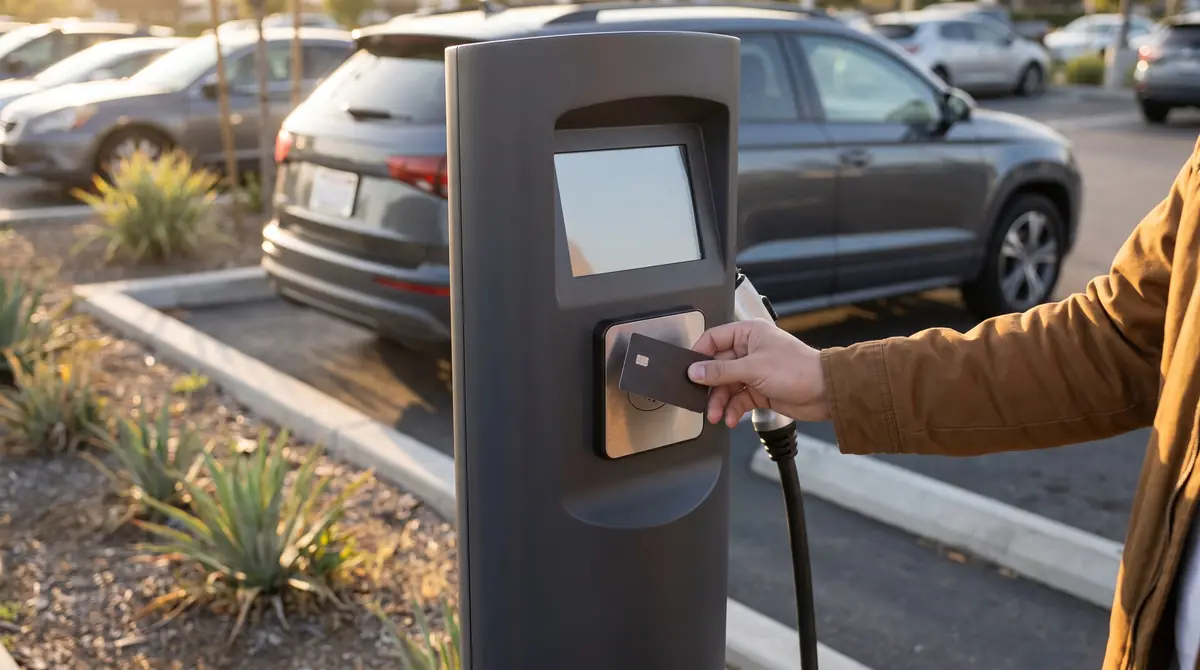
Decide who can charge and who pays before choosing hardware or network. Different users need different access and billing arrangements. A charging-session report is not automatically an approved utility billing meter.
Read itWant a charger installed at your property?
Send your property type and ZIP code, and a licensed installer for your area gets in touch.