EV charging for apartment and condo residents
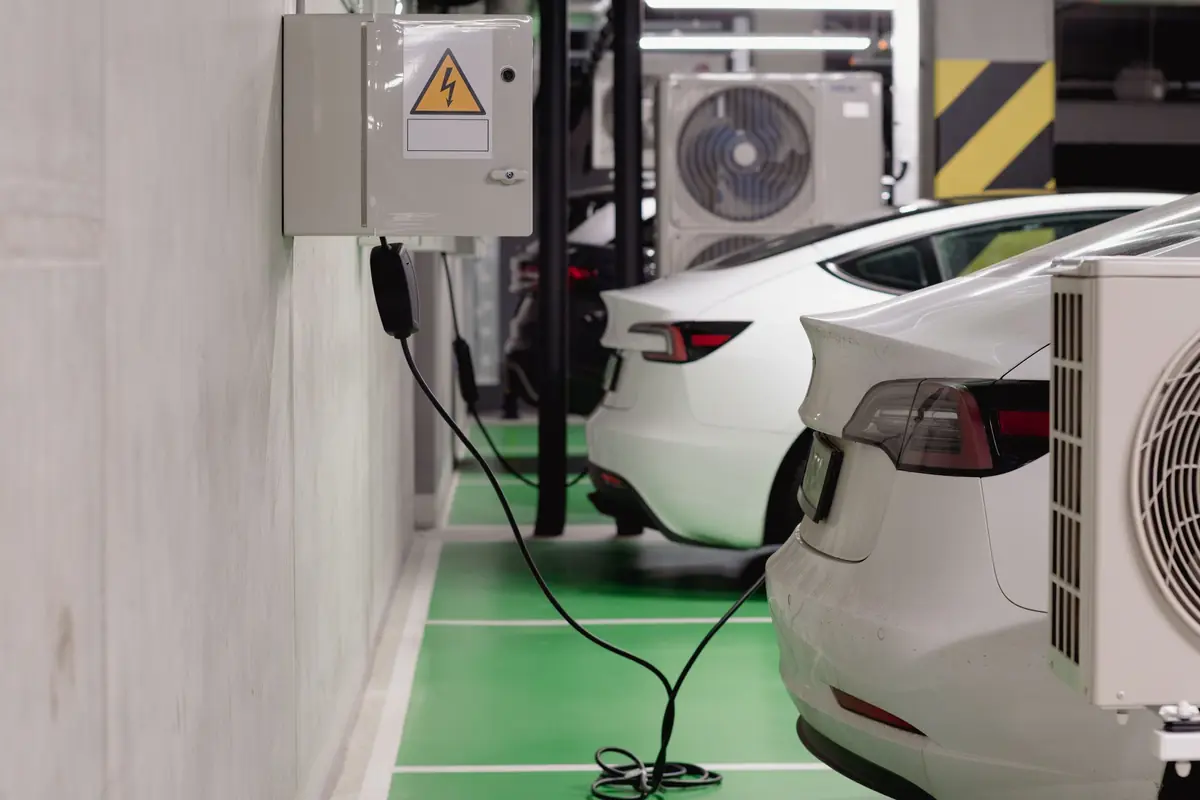
Start with your parking arrangement and permission to alter the property. A resident request, landlord project and condo-board project are different decisions. Charging may be possible at an assigned space or a shared area, but the electrical route, approvals and payer must be worked out.
Want this done at your property? Get an installer, or ask a question.
Start with your parking arrangement and permission to alter the property. A resident request, landlord project and condo-board project are different decisions. Charging may be possible at an assigned space or a shared area, but the electrical route, approvals and payer must be worked out.
Prepare a resident proposal
- Are you a renter, condo owner or member of another association?
- Is the space deeded, assigned, leased or shared?
- Where would equipment and its route cross common property?
- Who pays installation, energy, maintenance and any removal?
- Who considers the request and what documents do they need?
Ask a resident charging question Get an installer for your building
Compare practical arrangements
| Arrangement | Question |
|---|---|
| Charger at assigned space | Can a suitable route and payer/meter arrangement serve that space? |
| Shared charging area | How are access, sharing and payment managed? |
| Managed charger group | How does an approved power allocation meet residents' charging windows? |
| Existing outlet | Does assessed equipment/circuit suitability and permission permit the intended use? |
DOE provides separate resources for multifamily residents and owners.31 An outlet at the parking space is not automatically an approved charging solution.
Right-to-charge rules have conditions
Some jurisdictions restrict blanket prohibitions, but scope differs for renters, condo owners, associations and common areas. The law can still require an application, safety/installation conditions and allocation of costs. Do not turn a national law count into permission to install at your space.
Oregon's residential landlord-and-tenant chapter, for example, has a specific charging-station section, ORS 90.462.25 Massachusetts Chapter 183A, Section 10A addresses an owner's separate interest or exclusive-use area and sets installation and owner-cost conditions.32 That owner provision is not a blanket tenant right. Use the current section and applicable amendments for the actual property. Your lease, parking right and building context still matter. State pages link jurisdiction-specific records; a qualified adviser can resolve a disputed application.
Make the request specific
Ask for the approval process in writing, supply a proposed location and explain who pays. Let the installer provide electrical scope. Keep approvals, conditions and installer assessment together instead of relying on an informal assurance from one board member.
If you manage the building
Use the owner/board project plan for demand, parking, metering, phases and maintenance. It owns building planning; this page owns resident options. Check billing and access before choosing a network.
Prepare the known details, ask a question or get an installer once the building has approved the project.
Sources and check dates
- Oregon Revised Statutes 90.462, Electric vehicle charging stations (Chapter 90, Residential Landlord and Tenant), Oregon State Legislature. Read 2026-10-13.
- Electric Vehicle Charging for Multifamily Housing, U.S. Department of Energy, Alternative Fuels Data Center. Read 2026-10-13.
- General Laws Chapter 183A, Section 10A: Electric vehicle supply equipment, The General Court of the Commonwealth of Massachusetts. Read 2026-10-13.
Related guides

EV charger access, payments and billing
Decide who can charge and who pays before choosing hardware or network. Different users need different access and billing arrangements. A charging-session report is not automatically an approved utility billing meter.
Read it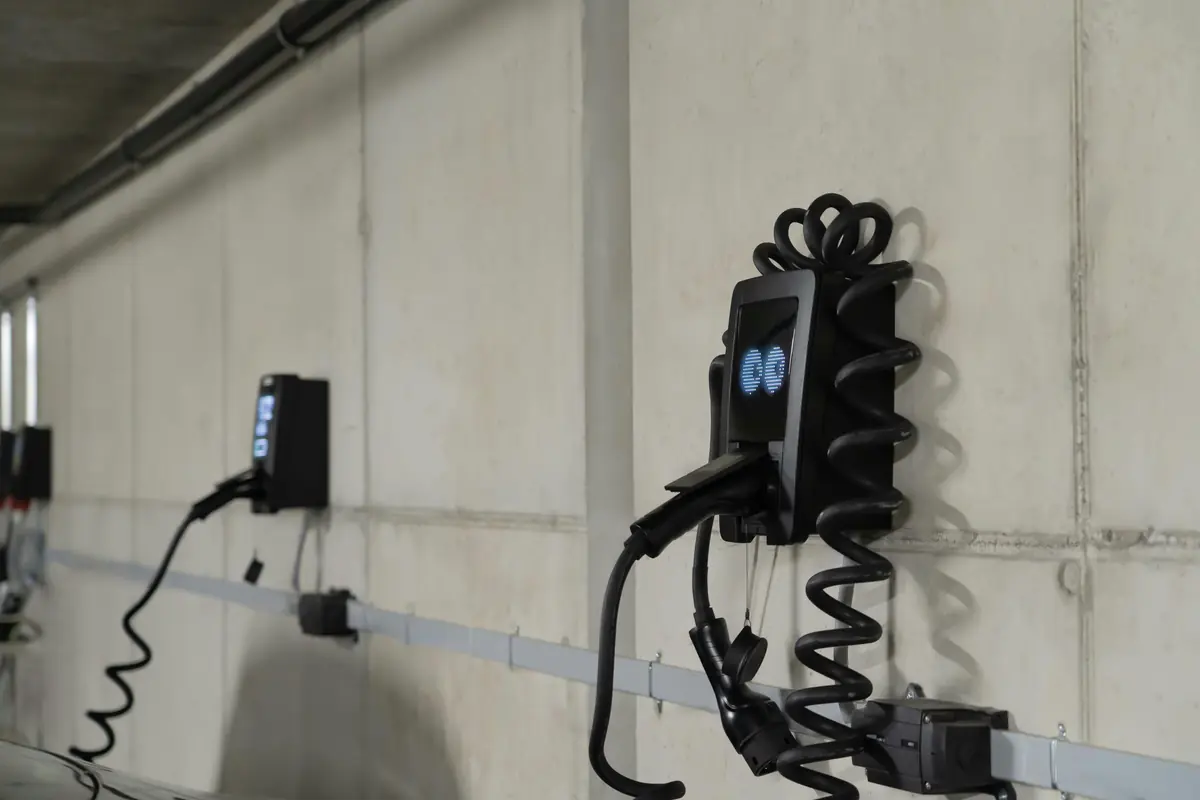
EV charger installation checklist: what to prepare
Prepare vehicle details, parking, actual utility, property permission and the charging result you need. Useful photos show closed equipment and the route. You can ask for an installer before you have every detail.
Read it
Multifamily EV charging project plan for owners and boards
A building project combines parking, electrical capacity and operating rules. Establish authority, resident needs and who pays before choosing the arrangement. Individual resident rights are a separate jurisdiction-specific question.
Read itWant a charger installed at your property?
Send your property type and ZIP code, and a licensed installer for your area gets in touch.