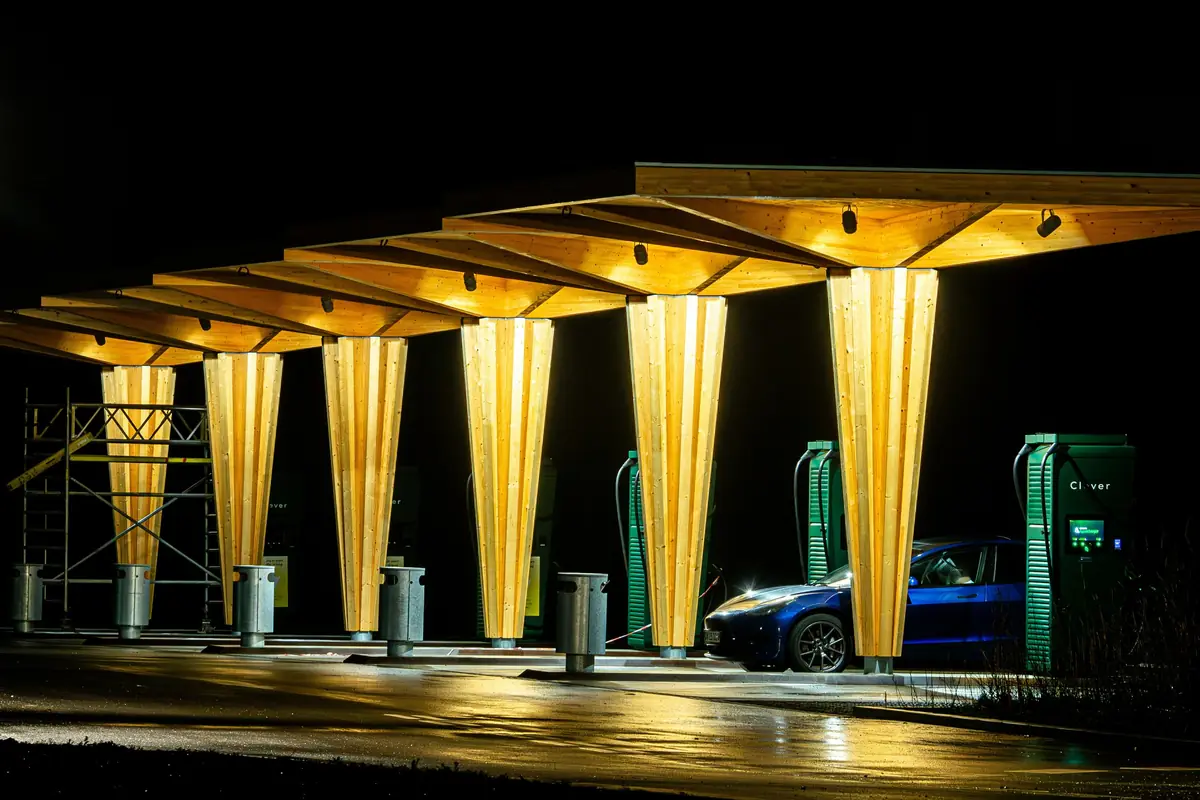
Multifamily EV charging project plan for owners and boards
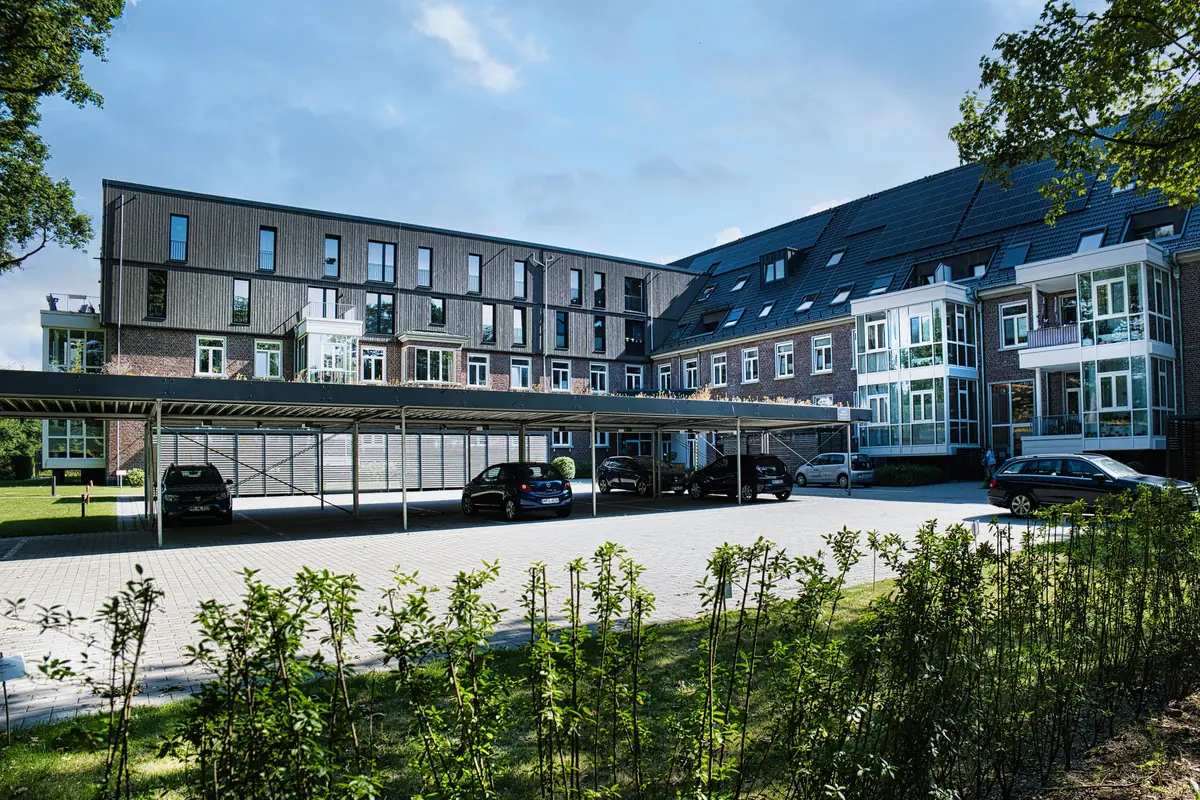
A building project combines parking, electrical capacity and operating rules. Establish authority, resident needs and who pays before choosing the arrangement. Individual resident rights are a separate jurisdiction-specific question.
Want this done at your property? Get an installer, or ask a question.
This is a building-project guide for owners, managers and boards. Residents seeking charging at their own space should start with resident options and permissions.
Build the first project brief
- Authority: owner/board approval, management responsibility and applicable lease/common-area conditions.
- Demand: present EV users, requested locations, parking hours and separate growth assumptions.
- Parking: assigned/shared spaces, accessible routes, visitor use and cable reach.
- Supply: capacity assessment, route/metering options and the actual utility.
- Operation: enrollment, payer, sharing rules and fault support.
- Phases: ports installed now versus pathways and expansion intended for later.
DOE identifies parking, electrical access, billing and legal concerns as distinct multifamily issues.1 Include all four in the plan.
Get an installer for your building
Compare arrangements before hardware
| Arrangement | Tradeoff to resolve |
|---|---|
| Assigned-space charging | Individual access fits some routines; electrical routes and payer/meter arrangements need assessment. |
| Shared charging area | Flexible parking needs workable booking and move rules. |
| Managed group | Controls distribute an approved allocation; confirm simultaneous needs and departures. |
Do not infer port count from occupied units alone. Ask which demand and parking assumptions support the proposal and how a resident joining later is handled.
Check programs before commitment
Use current program records to distinguish multifamily eligibility from public-access conditions, approved equipment, preapproval and covered expenses. Name the applicant and required ownership period. A listing is not a funding reservation.
Keep a building-owned record
Retain approved drawings, inspections, equipment/settings, account access, billing rules and warranties. Name the owner of enrollment, prices, disputes, renewals and repairs. Contractor completion and ongoing network service are separate responsibilities.
A hypothetical twelve-unit condo with two current EV users might compare shared spaces with assigned-space charging and future pathways. Those numbers are a brief, not a design recommendation. The assessment determines feasible routes and capacity.
Sources and check dates
- Electric Vehicle Charging for Multifamily Housing, U.S. Department of Energy, AFDC. Read 2026-10-13.
Related guides

EV charger access, payments and billing
Decide who can charge and who pays before choosing hardware or network. Different users need different access and billing arrangements. A charging-session report is not automatically an approved utility billing meter.
Read it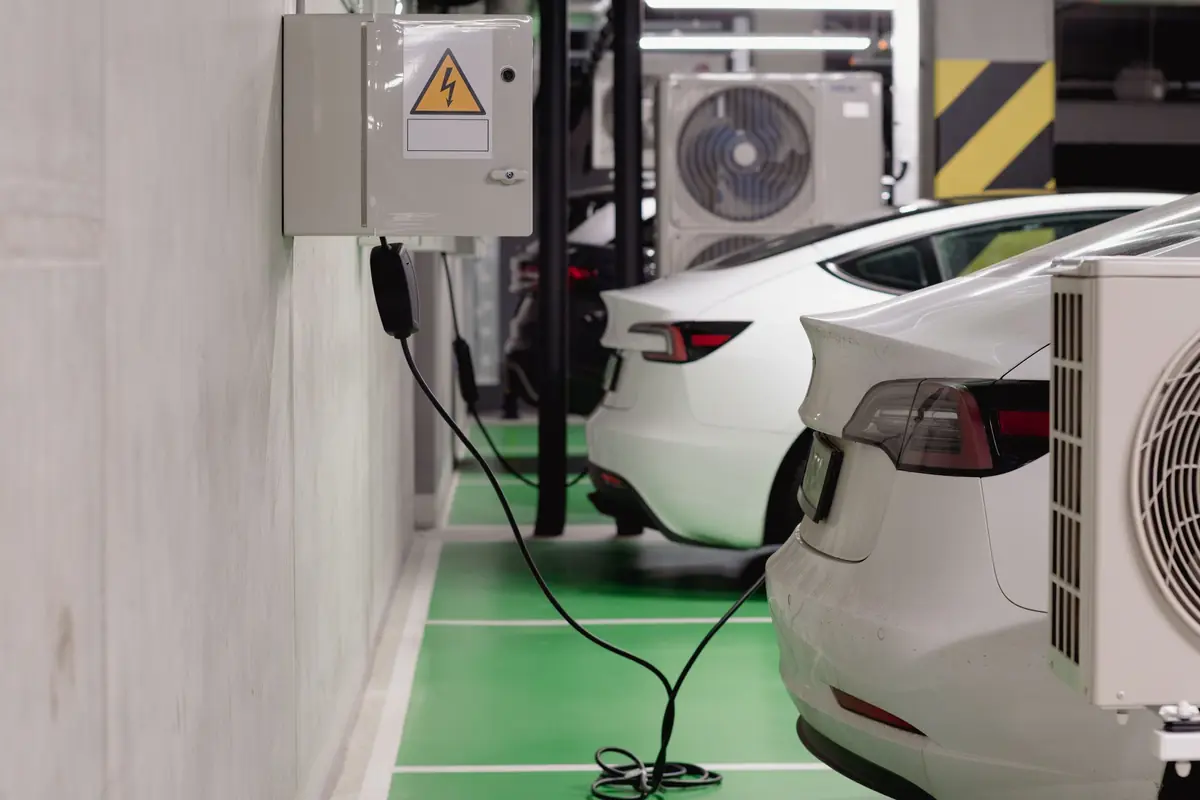
EV charging for apartment and condo residents
Start with your parking arrangement and permission to alter the property. A resident request, landlord project and condo-board project are different decisions. Charging may be possible at an assigned space or a shared area, but the electrical route, approvals and payer must be worked out.
Read it
EV permits and utility make-ready for larger projects
A commercial installation can need local permission, electrical/service approval and funding approval. These are separate workstreams. A rebate application does not approve electrical construction, and a permit does not reserve utility funding.
Read itWant a charger installed at your property?
Send your property type and ZIP code, and a licensed installer for your area gets in touch.